March 7
How The Holy Spirit Guides
Understanding The Guidance Processes of God
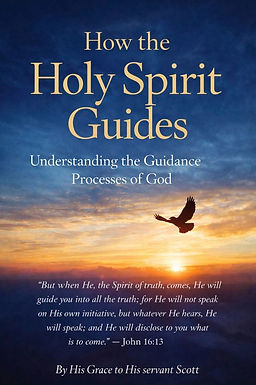
“But when He, the Spirit of truth, comes, He will guide you into all the truth; for He will not speak on His own initiative, but whatever He hears, He will speak; and He will disclose to you what is to come.” — John 16:13
God’s guidance is not mystical guesswork or emotional impulse; it is relational, purposeful, and always anchored in truth. The Holy Spirit leads believers in ways that align with God’s character and His Word. Scripture serves as our directional safety net, keeping us grounded and in the right lane as we discern God’s voice. We must not only learn God’s Word, but live it, if guidance is to become a lived reality rather than a spiritual concept.
One of the most common ways God guides is through people. At critical moments of development, God often brings divine contacts into a leader’s life. These individuals may affirm calling, encourage leadership potential, offer correction or insight, challenge deeper dependence on God, or open doors to ministry. Often unexpected but always timely, these relationships are purposeful and divinely arranged. In a more intentional form, God also uses mentors—mature believers who recognize God-given potential and invest consistently through encouragement, wisdom, example, and accountability. Mentors help shape character and direction long before leadership influence expands.
God also confirms His guidance through a process often referred to as double confirmation. In seasons where clear direction is needed, God may speak directly or indirectly to a leader, then confirm that direction through another person, Scripture, or circumstance. Finally, He brings those confirmations together in a way that is unmistakable. This process protects leaders from impulsive decisions and personal bias, grounding discernment in humility and verification.
At times, guidance is learned through failure. A flesh act occurs when a leader assumes God’s will and moves forward without patience, discernment, or submission. These decisions are often driven by urgency, fear, control, or human reasoning rather than spiritual dependence. While God is redemptive and can still work through the outcome, flesh-driven choices usually carry consequences. Over time, God uses these moments to teach discernment, helping us recognize patterns so future situations resembling past flesh acts are handled differently.
God also guides through learning. Through the literary process, He teaches leaders by means of Scripture, books, biographies, teachings, and testimonies. The recorded experiences and lessons of others provide wisdom, warning, encouragement, and direction. This vicarious learning allows growth without repeating unnecessary mistakes and reminds us that God speaks through truth faithfully preserved.
Some guidance comes through hardship. Negative preparation involves God using conflict, loss, disappointment, opposition, or suffering to prepare a leader for the next phase of calling. The purpose is not escape, but release; not bitterness, but readiness. Through these seasons, God loosens unhealthy attachments and prepares the heart for renewed obedience and purpose.
Central to all guidance is the Word process. At times, a leader receives a specific word from God—through Scripture or through another person—that is always confirmed by Scripture. These moments often mark turning points, shaping values, commitments, decision-making, spiritual authority, and ministry philosophy. God never contradicts His Word, and true guidance always aligns with biblical truth.
There are also moments when God strengthens rather than redirects. Divine affirmation is the Holy Spirit’s confirmation of approval, calling, or faithfulness. It often brings renewed peace, clarity, endurance, and desire to continue serving—especially after seasons of testing, fatigue, or doubt. Sometimes affirmation confirms that remaining faithful where you are is itself obedience.
God also speaks through community. The body of Christ is His ordained means of shared discernment. Through other believers walking in truth, God provides counsel, encouragement, correction, and confirmation. Healthy guidance is rarely isolated; God uses community to protect, refine, and strengthen His people.
Practices such as journaling also create space for guidance. By recording prayers, Scriptures, impressions, and insights, believers become more attentive to the Spirit’s leading over time. Journaling does not replace Scripture or counsel, but helps clarify, remember, and weigh what God is speaking.
Finally, God guides through silence. Silence is a deliberate withdrawal from noise, busyness, and distraction in order to become still before the Lord. In this quiet posture, the Holy Spirit speaks with clarity and conviction. Silence requires slowing down and listening attentively, allowing God’s voice to rise above external pressure and internal clutter. Often, God speaks most clearly when everything else grows quiet.
God’s guidance is consistent, relational, and trustworthy. He rarely uses only one method, but weaves these processes together to shape discernment, maturity, and obedience. As leaders learn to recognize how God guides, they grow in wisdom, avoid unnecessary pitfalls, and walk forward in faith grounded not in emotion, but in truth.
Recent Devotionals

Cómo Guía El Espíritu Santo
Comprender Los Procesos Mediante Los Cuales Dios Nos Guía
«Pero cuando venga Él, el Espíritu de la verdad, los guiará a toda la verdad; porque no hablará por su propia cuenta, sino que hablará todo lo que oiga y les anunciará lo que está por venir». — Juan 16:13
La guía de Dios no es una conjetura mística ni un impulso emocional; es relacional, tiene un propósito y siempre está arraigada en la verdad. El Espíritu Santo guía a los creyentes de maneras que concuerdan con el carácter de Dios y con Su Palabra. Las Escrituras son nuestra red de seguridad que nos orienta, nos mantiene firmes y en el rumbo correcto mientras discernimos la voz de Dios. No solo debemos aprender la Palabra de Dios, sino también vivirla, si queremos que Su guía se convierta en una realidad cotidiana y no en un concepto espiritual.
Una de las formas más comunes en que Dios guía es por medio de otras personas. En momentos cruciales de crecimiento, Dios suele poner en la vida de un líder personas con las que establece encuentros providenciales. Estas personas pueden confirmar su llamado, animarlo a desarrollar su potencial de liderazgo, ofrecerle corrección o perspectiva, impulsarlo a depender más profundamente de Dios o abrirle puertas al ministerio. A menudo son relaciones inesperadas, pero siempre oportunas, intencionales y dispuestas por Dios. De una manera más deliberada, Dios también usa mentores: creyentes maduros que reconocen el potencial que Dios ha dado y se comprometen a cultivarlo de manera constante mediante el ánimo, la sabiduría, el ejemplo y la rendición de cuentas. Los mentores ayudan a formar el carácter y el rumbo mucho antes de que se amplíe la influencia de liderazgo.
Dios también confirma Su guía mediante un proceso que suele llamarse doble confirmación. En temporadas en que se necesita una dirección clara, Dios puede hablarle a un líder de manera directa o indirecta y luego confirmar esa dirección por medio de otra persona, de las Escrituras o de las circunstancias. Por último, reúne esas confirmaciones de una manera inconfundible. Este proceso protege a los líderes de tomar decisiones impulsivas y guiadas por prejuicios personales, y fundamenta el discernimiento en la humildad y la verificación.
A veces, aprendemos a recibir guía a través del fracaso. Un acto carnal ocurre cuando un líder da por sentado cuál es la voluntad de Dios y sigue adelante sin paciencia, discernimiento ni sumisión. Estas decisiones suelen estar motivadas por la urgencia, el miedo, el deseo de control o el razonamiento humano, en lugar de una dependencia espiritual. Aunque Dios es redentor y aún puede obrar por medio del resultado, las decisiones guiadas por la carne suelen acarrear consecuencias. Con el tiempo, Dios usa estos momentos para enseñarnos a discernir y ayudarnos a reconocer patrones, de modo que afrontemos de otra manera futuras situaciones parecidas a actos carnales del pasado.
Dios también guía por medio del aprendizaje. A través del proceso literario, enseña a los líderes mediante las Escrituras, los libros, las biografías, las enseñanzas y los testimonios. Las experiencias y lecciones de otras personas que han quedado registradas nos aportan sabiduría, advertencias, ánimo y dirección. Este aprendizaje vicario permite crecer sin repetir errores innecesarios y nos recuerda que Dios habla por medio de la verdad que se ha preservado fielmente.
Parte de la guía llega a través de las dificultades. La preparación negativa consiste en que Dios usa los conflictos, las pérdidas, las decepciones, la oposición o el sufrimiento para preparar a un líder para la siguiente etapa de su llamado. El propósito no es escapar, sino ser liberado; no es llenarse de amargura, sino estar listo. En estas temporadas, Dios afloja los apegos nocivos y prepara el corazón para una obediencia y un propósito renovados.
La Palabra ocupa un lugar central en toda guía. A veces, un líder recibe una palabra específica de Dios —por medio de las Escrituras o de otra persona— que siempre es confirmada por las Escrituras. Estos momentos suelen marcar puntos de inflexión y moldear los valores, los compromisos, la toma de decisiones, la autoridad espiritual y la filosofía ministerial. Dios nunca contradice Su Palabra, y la guía verdadera siempre concuerda con la verdad bíblica.
También hay momentos en que Dios fortalece en vez de redirigir. La afirmación divina es la confirmación del Espíritu Santo de que Dios aprueba, respalda el llamado o reconoce la fidelidad. A menudo trae una paz renovada, claridad, perseverancia y el deseo de seguir sirviendo, especialmente después de temporadas de prueba, agotamiento o duda. A veces, esa afirmación confirma que permanecer fieles allí donde estamos es, en sí mismo, obedecer.
Dios también habla por medio de la comunidad. El cuerpo de Cristo es el medio que Él ha establecido para el discernimiento compartido. Por medio de otros creyentes que viven conforme a la verdad, Dios brinda consejo, ánimo, corrección y confirmación. La guía saludable rara vez se recibe de manera aislada; Dios usa a la comunidad para proteger, moldear y fortalecer a Su pueblo.
Prácticas como llevar un diario también abren espacio para recibir guía. Al registrar oraciones, pasajes de las Escrituras, impresiones y reflexiones, los creyentes se vuelven más atentos, con el tiempo, a la dirección del Espíritu. Llevar un diario no reemplaza las Escrituras ni el consejo, pero ayuda a aclarar, recordar y sopesar lo que Dios está diciendo.
Por último, Dios guía por medio del silencio. El silencio consiste en apartarse deliberadamente del ruido, las ocupaciones y las distracciones para aquietarse ante el Señor. En esta actitud de quietud, el Espíritu Santo habla con claridad y convicción. El silencio exige bajar el ritmo y escuchar con atención, permitiendo que la voz de Dios se eleve por encima de las presiones externas y el desorden interior. A menudo, Dios habla con mayor claridad cuando todo lo demás queda en silencio.
La guía de Dios es constante, relacional y digna de confianza. Rara vez emplea un solo método; más bien, entreteje estos procesos para formar el discernimiento, la madurez y la obediencia. A medida que los líderes aprenden a reconocer cómo los guía Dios, crecen en sabiduría, evitan tropiezos innecesarios y avanzan con fe, arraigados no en la emoción, sino en la verdad.
Por favor, envíame el texto que quieres traducir.圣灵如何引导人
理解上帝的引导过程
“只等真理的圣灵来了,他要引导你们明白一切的真理;因为他不是凭自己说的,乃是把他所听见的都说出来,并要把将来的事告诉你们。”——约翰福音 16:13
上帝的引导不是神秘的猜测,也不是情绪冲动;它建立在关系之中,有明确目的,并始终以真理为根基。圣灵引导信徒的方式与上帝的品格和祂的话语相一致。圣经就像指引方向的安全网,在我们分辨上帝的声音时,使我们扎根于真理、不偏离正道。我们不仅要学习上帝的话语,还必须活出祂的话语,这样,引导才会成为切实的生命经历,而不只是一个属灵概念。
上帝最常用的引导方式之一,是借着人。在生命成长的关键时刻,上帝常会安排属祂的人进入领袖的生命。这些人可能会肯定领受的呼召、鼓励领导潜能、给予纠正或洞见、激励人更深地倚靠上帝,或为服事打开门路。这些关系往往出乎意料,却总在恰当的时刻出现;它们有明确目的,都是上帝所安排的。更有意地,上帝也会使用导师——那些成熟的信徒,他们看见上帝所赐的潜能,并持续以鼓励、智慧、榜样和问责来栽培他人。早在领袖影响力扩大之前,导师就已开始塑造他们的品格和方向。
上帝也会通过一种常称为“双重印证”的过程来确认祂的引导。在需要明确方向的时期,上帝可能直接或间接地向领袖说话,随后再借着另一个人、圣经或环境来印证这一方向。最后,祂会使这些印证彼此呼应,清楚无误。这个过程能保护领袖,避免他们冲动行事或受个人偏见左右,使分辨建立在谦卑与核实之上。
有时,人是从失败中学会分辨的。当领袖擅自认定上帝的旨意,在缺乏耐心、分辨或顺服的情况下贸然行动时,就会出现属肉体的行为。这些决定往往受急迫感、恐惧、控制欲或人的推理驱使,而非出于对上帝的倚靠。上帝满有救赎的大能,仍能借着事情的结果动工,但出于肉体的选择通常会带来后果。随着时间推移,上帝会使用这些经历教导我们分辨,帮助我们认出其中的模式,好让将来遇到类似过去属肉体行为的情形时,能够以不同的方式应对。
上帝也借着学习来引导人。祂通过阅读学习的过程,借着圣经、书籍、传记、教导和见证来教导领袖。记录下来的他人经历与领悟,能带来智慧、警戒、鼓励和方向。这种间接学习使我们无需重蹈不必要的覆辙,也提醒我们:上帝会借着忠实保存下来的真理说话。
有些引导是借着艰难处境而来的。所谓“负面预备”,是指上帝使用冲突、失去、失望、反对或苦难,为领袖预备呼召的下一个阶段。目的不是逃避,而是得释放;不是陷入苦毒,而是预备就绪。在这些时期里,上帝会帮助我们放下不健康的依恋,并预备我们的心,重新顺服祂、活出祂所赐的使命。
一切引导的核心,是借着话语引导的过程。有时,领袖会从上帝领受一段特定的话语——通过圣经或另一个人传达,而这话语总会得到圣经的印证。这些时刻常常标志着人生的转折点,塑造人的价值观、委身、决策方式、属灵权柄和事奉理念。上帝绝不会违背祂的话语;真正的引导总与圣经真理一致。
有时,上帝带来的不是转向,而是坚固。属天的肯定,是圣灵对上帝的认可、呼召或忠心所作的印证。它常带来更新的平安、清晰的方向、持久的力量,以及继续服事的渴望——尤其是在经历试炼、疲惫或疑惑之后。有时,这份肯定也印证了一件事:忠心守在原处,本身就是顺服。
上帝也借着群体说话。基督的身体是祂所设立、让众人一同分辨的途径。上帝借着行在真理中的信徒,赐下劝勉、鼓励、纠正和印证。健康的引导很少是孤立发生的;上帝会使用群体来保护、塑造并坚固祂的子民。
写日记等操练也能为领受引导创造空间。信徒记录祷告、经文、感动和领悟,久而久之便会更加留心圣灵的带领。写日记不能取代圣经或属灵劝导,却能帮助我们理清、记住并衡量上帝所说的话。
最后,上帝也借着安静来引导人。安静是刻意远离喧嚣、忙碌和干扰,使自己在主面前静下来。在这安静的姿态中,圣灵清楚而有力地说话。安静需要我们放慢脚步、专心聆听,让上帝的声音超越外在的压力和内心的纷乱。许多时候,周围的一切都安静下来时,上帝的声音才最清晰。
上帝的引导始终如一,建立在关系之中,值得信赖。祂很少只用一种方式,而是将这些过程交织在一起,塑造我们的分辨力、成熟度和顺服。领袖越懂得辨认上帝引导的方式,就越能增长智慧、避开不必要的陷阱,并凭着信心向前行;这信心不是建立在情绪之上,而是扎根于真理。