August 20
Faithful in the Dry Places
Leading Through Day-In, Day-Out Obedience When There’s No Feeling, No Applause
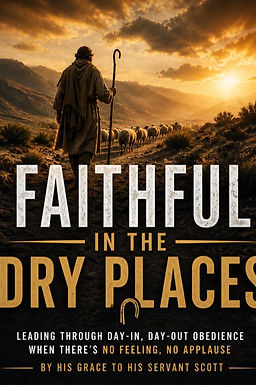
There is a kind of leadership that is not forged in moments of passion, but in the quiet, often unnoticed grind of daily obedience. Servant leadership is not built on emotional highs or visible fruit—it is formed in the dry places where the soul learns to follow God without the reinforcement of feeling. This is where many begin to struggle, because we have been conditioned, even subtly, to associate God’s presence with emotional experience. Yet Scripture consistently points us to something deeper: obedience rooted in truth, not emotion. “The just shall live by faith” (Romans 1:17), not by feeling. Faith moves when it cannot feel, obeys when it does not understand, and continues when everything within wants to stop.
A true shepherd learns early that most of the Kingdom work happens in repetition—getting up, opening the Word, spending time in prayer, showing up for people, serving what is in front of you—day after day, without applause. David was not formed in the spotlight but in the field, tending sheep when no one was watching. It was there he fought lions and bears in obscurity (1 Samuel 17:34–35), victories that no crowd celebrated but that Heaven recorded. Those unseen battles became the foundation for visible authority later. The same is true for every servant leader. If we cannot remain faithful in the hidden place, we will not be sustained in the public one.
There is a powerful truth that must anchor the heart: obedience without feeling is not lesser obedience—it is mature love. Jesus Himself modeled this in Gethsemane, where there was no emotional ease, no sense of comfort, only the weight of what lay ahead. Yet He prayed, “Not My will, but Yours be done” (Luke 22:42). This is the essence of servant leadership—choosing the will of the Father when everything in the natural resists. This is where the cross does its deepest work within us. The flesh desires inspiration; the Spirit produces surrender. And surrender is not a one-time act, but a daily posture.
So much of our walk comes down to what can be called “the next right thing.” Not the grand vision, not the future assignment—but the simple act of obedience in front of us right now. Jesus taught, “He who is faithful in what is least is faithful also in much” (Luke 16:10). Many miss what God is doing because they are waiting for something significant, while neglecting what is already in their hands. The next conversation, the next responsibility, the next opportunity to serve—these are not interruptions to purpose; they are the very substance of it. Destiny is not built in leaps, but in steps of consistent obedience.
Dry seasons are not signs of failure; they are invitations into deeper formation. “Let us not grow weary while doing good, for in due season we shall reap if we do not lose heart” (Galatians 6:9). Weariness often comes not from doing too much, but from expecting emotional reward for obedience. But the Kingdom does not operate on emotional compensation—it operates on eternal reward. What is done in secret, in faithfulness, in obscurity, is never wasted. God sees. God records. And in His time, God brings fruit that remains.
This is why reliance on the Holy Spirit is essential. We are not called to sustain obedience through willpower, but through abiding. “Abide in Me, and I in you… for without Me you can do nothing” (John 15:4–5). The Spirit empowers what the flesh cannot maintain. When feelings fade, His presence remains. When motivation weakens, His strength is made perfect in weakness (2 Corinthians 12:9). Shepherding leadership is not about striving harder—it is about yielding deeper, trusting that His power is sufficient for the daily assignment.
There is also a responsibility to lead others in this same truth. A servant leader must teach people not to chase emotional experiences, but to walk in steady obedience. “Preach the word! Be ready in season and out of season” (2 Timothy 4:2). This means we do not just lead when it feels right—we lead because it is right. We do not just serve when we are inspired—we serve because we are called. In doing so, we help others understand that dryness is not abandonment, but development.
Many abandon their assignment in these seasons, misinterpreting dryness as direction. But often, what feels like nothing is where everything is being built. “Knowing that the testing of your faith produces patience” (James 1:3). Testing is not meant to break us, but to establish us. The root system grows deepest when the surface feels barren. And those who remain, who continue to show up, to pray, to serve, to obey—these are the ones God entrusts with lasting fruit.
In the end, servant leadership comes down to this: will you remain in the field? Will you continue when there is no recognition, no emotional reward, no visible outcome? Because Heaven measures differently. “And whatever you do, do it heartily, as to the Lord and not to men… for you serve the Lord Christ” (Colossians 3:23–24). The applause of man fades, but the approval of God endures forever.
So get up. Open the Word. Spend time in His presence. Do the next right thing. Serve what is in front of you. And repeat it again tomorrow. “Therefore, my beloved brethren, be steadfast, immovable, always abounding in the work of the Lord” (1 Corinthians 15:58). This is shepherding leadership. Not flashy, not emotional—but faithful. And in that faithfulness, the Kingdom advances in ways far greater than the eye can see.
Recent Devotionals

Fiel En Los Lugares Áridos
Liderar Con Obediencia Día Tras Día, Cuando No Hay Emoción Ni Aplausos.
Hay un tipo de liderazgo que no se forja en momentos de pasión, sino en la silenciosa y a menudo inadvertida constancia de la obediencia diaria. El liderazgo de servicio no se construye sobre emociones intensas ni frutos visibles; se forma en los lugares áridos, donde el alma aprende a seguir a Dios sin el refuerzo de las emociones. Es aquí donde muchos comienzan a luchar, porque nos han condicionado, aunque sea sutilmente, a asociar la presencia de Dios con la experiencia emocional. Sin embargo, las Escrituras nos señalan constantemente algo más profundo: la obediencia arraigada en la verdad, no en las emociones. «El justo por la fe vivirá» (Romanos 1:17), no por lo que siente. La fe avanza cuando no puede sentir, obedece cuando no comprende y persevera cuando todo en nuestro interior quiere detenerse.
Un verdadero pastor aprende pronto que la mayor parte de la obra del Reino ocurre en la repetición: levantarse, abrir la Palabra, dedicar tiempo a la oración, estar presente para los demás, servir en lo que tenemos delante, día tras día y sin aplausos. David no se formó bajo los reflectores, sino en el campo, cuidando ovejas cuando nadie lo observaba. Allí luchó contra leones y osos en la soledad (1 Samuel 17:34–35), victorias que ninguna multitud celebró, pero que el cielo registró. Esas batallas invisibles se convirtieron en el fundamento de la autoridad visible que vendría después. Lo mismo ocurre con todo líder servidor. Si no podemos permanecer fieles en lo secreto, no podremos mantenernos en público.
Hay una verdad poderosa que debe arraigar en el corazón: obedecer sin sentir no es obedecer menos; es amar con madurez. Jesús mismo nos dio el ejemplo en Getsemaní, donde no había alivio emocional ni sensación de consuelo, sino solo el peso de lo que le esperaba. Sin embargo, oró: «No se haga mi voluntad, sino la tuya» (Lucas 22:42). Esta es la esencia del liderazgo de servicio: elegir la voluntad del Padre cuando todo lo natural se resiste. Aquí es donde la cruz hace su obra más profunda en nosotros. La carne desea inspiración; el Espíritu produce rendición. Y rendirse no es un acto que ocurre una sola vez, sino una actitud diaria.
Gran parte de nuestro caminar se reduce a lo que podríamos llamar «hacer lo correcto que tenemos delante». No se trata de la gran visión ni de la tarea futura, sino del sencillo acto de obediencia que tenemos ante nosotros ahora mismo. Jesús enseñó: «El que es fiel en lo muy poco, también en lo más es fiel» (Lucas 16:10). Muchos no perciben lo que Dios está haciendo porque esperan algo extraordinario, mientras descuidan lo que ya tienen en sus manos. La próxima conversación, la siguiente responsabilidad, la próxima oportunidad de servir: no son interrupciones del propósito, sino su esencia misma. El destino no se construye a grandes saltos, sino mediante pasos de obediencia constante.
Las temporadas áridas no son señales de fracaso; son invitaciones a una formación más profunda. «No nos cansemos, pues, de hacer el bien; porque a su tiempo segaremos, si no desmayamos» (Gálatas 6:9). A menudo, el cansancio no viene de hacer demasiado, sino de esperar una recompensa emocional por obedecer. Pero el Reino no funciona a base de compensación emocional; funciona a base de recompensa eterna. Lo que se hace en secreto, con fidelidad y en la oscuridad, nunca es en vano. Dios lo ve. Dios lo registra. Y, a su tiempo, Dios hace crecer un fruto que permanece.
Por eso es esencial depender del Espíritu Santo. No hemos sido llamados a mantener la obediencia con nuestra propia fuerza de voluntad, sino a permanecer en Él. «Permaneced en mí, y yo en vosotros… porque separados de mí nada podéis hacer» (Juan 15:4–5). El Espíritu da fuerzas para aquello que la carne no puede sostener. Cuando las emociones se apagan, su presencia permanece. Cuando la motivación decae, su poder se perfecciona en la debilidad (2 Corintios 12:9). El liderazgo pastoral no consiste en esforzarse más, sino en rendirse más profundamente y confiar en que su poder basta para la tarea de cada día.
También tenemos la responsabilidad de guiar a otros en esta misma verdad. Un líder servidor debe enseñar a las personas a no perseguir experiencias emocionales, sino a caminar en obediencia constante. «¡Predica la palabra! Mantente preparado a tiempo y fuera de tiempo» (2 Timoteo 4:2). Esto significa que no lideramos solo cuando nos parece bien; lideramos porque es lo correcto. No servimos solo cuando nos sentimos inspirados; servimos porque hemos sido llamados. Al hacerlo, ayudamos a los demás a comprender que la sequedad no significa abandono, sino formación.
Muchos abandonan su tarea en estas temporadas, interpretando erróneamente la sequedad como una señal de que deben cambiar de rumbo. Pero a menudo, aquello que parece no ser nada es precisamente donde todo se está construyendo. «Sabiendo que la prueba de vuestra fe produce paciencia» (Santiago 1:3). La prueba no busca quebrantarnos, sino afirmarnos. Las raíces crecen más profundamente cuando la superficie parece estéril. Y quienes permanecen, quienes siguen presentándose, orando, sirviendo y obedeciendo, son aquellos a quienes Dios confía un fruto duradero.
Al final, el liderazgo de servicio se reduce a esto: ¿permanecerás en el campo? ¿Seguirás adelante cuando no haya reconocimiento, recompensa emocional ni resultados visibles? Porque el cielo mide las cosas de otra manera. «Y todo lo que hagáis, hacedlo de corazón, como para el Señor y no para los hombres… porque servís al Señor Cristo» (Colosenses 3:23–24). Los aplausos de la gente se desvanecen, pero la aprobación de Dios perdura para siempre.
Así que levántate. Abre la Palabra. Pasa tiempo en su presencia. Haz lo correcto que tienes delante. Sirve en lo que tienes a tu alcance. Y mañana vuelve a hacerlo. «Así que, hermanos míos amados, estad firmes y constantes, creciendo en la obra del Señor siempre» (1 Corintios 15:58). Esto es liderazgo pastoral: nada ostentoso ni emocional, sino fiel. Y gracias a esa fidelidad, el Reino avanza de maneras mucho más grandes de lo que nuestros ojos pueden ver.
在干旱之地仍持守信心
在没有感觉、无人喝彩时,以日复一日的顺服带领前行
有一种领导力,并非在激情迸发的时刻锻造而成,而是在日复一日默默无闻、常常不为人察觉的顺服中磨砺出来。仆人式领导力并非建立在情绪高涨或看得见的果效之上,而是在灵魂学会不凭感受的助力跟随上帝的旷漠之地形成的。许多人正是在这里开始挣扎,因为我们早已受到影响,甚至是在不知不觉中,把上帝的同在与情感体验联系起来。然而,圣经始终把我们引向更深之处:扎根于真理而非情绪的顺服。“义人必因信得生”(罗马书 1:17),而非凭感觉而活。信心在感受不到时仍然前行,在不明白时仍然顺服,在内心的一切都想停下时仍然坚持。
真正的牧者很早就会明白,国度里的大部分事工都在日复一日的重复中完成——起床、打开圣经、花时间祷告、陪伴身边的人、尽心服事眼前的事;日复一日,无人喝彩。大卫并非在聚光灯下成长,而是在旷野中牧羊,无人注视。正是在那里,他默默与狮子和熊搏斗(撒母耳记上 17:34–35);这些胜利没有人群为他庆贺,却被天上记念。那些不为人知的争战,后来成了他显明权柄的根基。每一位仆人领袖也是如此。如果我们无法在隐秘之处忠心,就无法在众人面前站立得住。
有一个强有力的真理必须深植于心:没有情感感受的顺服,并不逊色于其他顺服——它是成熟之爱的体现。耶稣亲自在客西马尼园中活出了这一点:那里没有情感上的轻松,也没有安慰之感,只有对即将到来的一切所承受的重担。然而,祂祷告说:“不要成就我的意思,只要成就你的意思”(路加福音 22:42)。这正是仆人式领导的本质——当一切本能都在抗拒时,仍选择遵行天父的旨意。十字架正是在这里,在我们里面做最深的工作。肉体渴望得到激励;圣灵却使人降服。而降服不是一次性的行为,而是每天都要持守的姿态。
我们人生的旅程,很大程度上取决于所谓的“接下来该做的正确之事”。不是宏大的愿景,也不是未来的使命,而是眼下摆在我们面前、简单的顺服之举。耶稣教导说:“人在最小的事上忠心,在大事上也忠心”(路加福音 16:10)。许多人正等着什么大事发生,却忽略了手中已有的事,因此错过了上帝正在做的工作。下一次交谈、下一份责任、下一个服侍的机会——这些都不是对使命的打扰,而正是使命本身。命运不是靠飞跃成就的,而是在持续顺服的步伐中逐步建立的。
干旱的时节并不意味着失败,而是邀请我们进入更深的塑造。“我们行善,不可丧志;若不灰心,到了时候就要收成”(加拉太书 6:9)。我们常常感到疲惫,并非因为做得太多,而是因为期待顺服能带来情感上的回报。然而,神的国并不以情感补偿为运作原则,而是以永恒的奖赏为依归。那些出于信心、忠心,在隐秘处所做的事,绝不会徒然。神看见,神记念;到了祂的时候,祂必结出长存的果子。
这就是为什么依靠圣灵至关重要。我们蒙召不是靠意志力维持顺服,而是要住在主里面。“你们要住在我里面,我也住在你们里面……因为离了我,你们就不能做什么”(约翰福音 15:4–5)。圣灵使我们有能力持守肉体无法维系的事。当感受渐渐消退,祂的同在仍然长存;当动力减弱,祂的能力就在软弱中显得完全(哥林多后书 12:9)。牧养式的领导并非更加竭力,而是更深地顺服,相信祂的能力足以胜任每天托付给我们的使命。
我们也有责任带领他人认识同样的真理。仆人领袖必须教导人们,不要追逐情绪上的体验,而要持守顺服、稳步前行。“务要传道,无论得时不得时,总要专心”(提摩太后书4:2)。这意味着,我们带领他人,并非只因感觉合适,而是因为这是正确的事;我们服事,并非只在受到激励时才做,而是因为这是我们的呼召。这样,我们就能帮助他人明白,灵里的干旱并非遭到弃绝,而是成长的过程。
许多人在这样的季节里放弃了自己的托付,把枯干误认为是离开的指引。但很多时候,那些看似一无所有的地方,恰恰是一切正在建立之处。“因为知道你们的信心经过试验,就生忍耐”(雅各书 1:3)。试炼并非要击垮我们,而是要使我们扎根稳固。当表面看起来荒芜时,根系往往长得最深。那些留下来、继续到场、祷告、服侍、顺服的人,正是上帝托付他们结出长存果实的人。
归根结底,仆人式领导归结为一个问题:你会留在禾场上吗?即使没有认可、没有情感上的回报、看不到任何成果,你还会继续吗?因为天国有不同的衡量标准。“无论做什么,都要从心里做,像是给主做的,不是给人做的……因你们所事奉的乃是主基督”(歌罗西书 3:23–24)。人的掌声终会消散,但上帝的认可却永远长存。
所以,起来吧。打开圣经,花时间亲近主。做好接下来该做的事。忠心服事眼前的人和事。明天,再如此行。“所以,我亲爱的弟兄们,你们务要坚固,不可摇动,常常竭力多做主工”(哥林多前书 15:58)。这就是牧养式领导。不张扬,不煽情,却忠心不渝。而正是在这份忠心中,神的国以远超肉眼所见的方式不断拓展。