February 17
Who Are You Turning Your Life Over To?
Surrender Begins With Knowing the God You Are Trusting
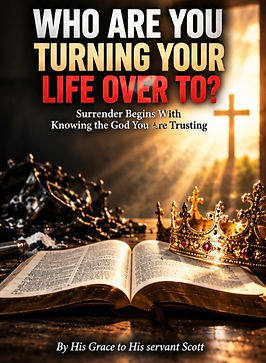
In alcohol and drug recovery, we talk about making a decision to turn our will and our life over to the care of God. But before we can honestly do that, we need to confront an important question: Who do I believe God is? It is difficult to entrust your life to someone you do not know, and it is dangerous to surrender to a picture of God that you created yourself. Many of us entered recovery with a distorted understanding of God. Addiction, shame, painful relationships, broken families, bad experiences with religion, and years of living according to our own thinking may have shaped our view of Him. Recovery requires more than saying, “I believe in God.” We need to begin discovering who He actually is.
Jesus said, “The thief comes only to steal and kill and destroy; I came so that they would have life, and have it abundantly” (John 10:10). Look honestly at your addiction. What did alcohol and drugs do? They stole relationships, destroyed trust, killed dreams, damaged families, consumed money, distorted thinking, and slowly took control of decisions. Yet while addiction was destroying us, it convinced us that it was helping us. That is deception. We called bondage freedom and destruction pleasure.
Paul wrote that “the god of this world has blinded the minds of the unbelieving so that they will not see the light of the gospel of the glory of Christ” (2 Corinthians 4:4). Addiction thrives in that blindness. I can handle this. I can stop whenever I want. Nobody understands me. One more time won’t matter. My family is the problem. I don’t need help. God could never want somebody like me. We repeated lies until they sounded like truth.
So how do we correct our understanding of God? We look at Jesus Christ. Jesus said, “The one who has seen Me has seen the Father” (John 14:9). Hebrews says that Christ is “the exact representation of His nature” (Hebrews 1:3). Jesus did not leave us guessing about God’s character. Look at how He dealt with broken people. He confronted sin without abandoning the sinner. He showed compassion without pretending wrong was right. He extended grace while calling people into truth. He touched those others rejected, restored failures, forgave the repentant, and gave hope to people whose lives appeared destroyed.
This is extremely important when turning our will and life over to God. We cannot create a god who simply agrees with us. If I decide what God believes, what He approves, what He expects, and which parts of His Word apply to me, then I have not surrendered at all. I am still sitting on the throne. I have simply created a god who gives me permission to remain there.
This is where recovery must go deeper than simply acknowledging some undefined “higher power.” Biblical surrender is not inventing whatever version of God makes me comfortable. It is allowing God to reveal Himself as He truly is through Jesus Christ and His Word. Jesus prayed, “And this is eternal life, that they may know You, the only true God, and Jesus Christ whom You have sent” (John 17:3). The goal is not merely information about God. The goal is knowing Him.
Maybe today you honestly say, “But I don’t know God.” That is a better starting place than pretending you do. God can work with honesty. Paul said that God is “not far from each one of us” (Acts 17:27). You may not understand Him yet, but He is not hiding from the person who genuinely seeks Him. God promises, “And you will seek Me and find Me when you search for Me with all your heart” (Jeremiah 29:13).
For years, drugs and alcohol practically occupied the throne of our lives. They determined where we went, who we associated with, how we spent money, what we hid, what we lied about, and what we were willing to sacrifice. Eventually addiction did not merely become something we did; it became something we obeyed.
Now recovery presents another decision. Who will sit on that throne?
Turning our will and life over to God’s care is not blind surrender to a stranger. As we discover God’s character through Christ, trust begins to grow. Knowing His character develops trust. Trust produces surrender. Surrender leads to obedience. Obedience deepens relationship. Relationship produces transformation.
So don’t only ask, “Am I willing to turn my life over to God?” Ask the deeper question: “Who is the God I am turning my life over to?” Is He the God revealed through Jesus Christ, or a god constructed from my pain, addiction, past, fear, religion, or personal preferences?
Our prayer can begin simply: God, show me who You really are. Tear down every false picture I have built of You. Reveal Yourself to me through Jesus Christ and Your Word. Teach me to know You, trust You, and surrender the life I could never successfully control into Your care.
We spent enough years trusting something that was killing us. Now it is time to know the One who came to give us life.
By His Grace to His servant Scott.
Recent Devotionals

¿A Quién Le Estás Entregando Tu Vida?
La Entrega Comienza Conociendo al Dios en Quien Estás Confiando
En la recuperación del alcohol y las drogas, hablamos de tomar la decisión de entregar nuestra voluntad y nuestra vida al cuidado de Dios. Pero antes de poder hacerlo sinceramente, necesitamos enfrentar una pregunta importante: ¿Quién creo que es Dios? Es difícil confiarle tu vida a alguien que no conoces, y es peligroso entregarte a una imagen de Dios que tú mismo has creado. Muchos llegamos a la recuperación con una comprensión distorsionada de Dios. La adicción, la vergüenza, las relaciones dolorosas, las familias quebrantadas, las malas experiencias religiosas y años viviendo según nuestro propio pensamiento pudieron haber formado nuestra imagen de Él. La recuperación requiere más que decir: “Creo en Dios”. Necesitamos comenzar a descubrir quién es Él realmente.
Jesús dijo: “El ladrón solo viene para robar, matar y destruir; Yo he venido para que tengan vida, y para que la tengan en abundancia” (Juan 10:10). Mira honestamente tu adicción. ¿Qué hicieron el alcohol y las drogas? Robaron relaciones, destruyeron la confianza, mataron sueños, dañaron familias, consumieron dinero, distorsionaron nuestro pensamiento y lentamente tomaron control de nuestras decisiones. Sin embargo, mientras la adicción nos destruía, nos convencía de que nos estaba ayudando. Eso es engaño. Llamábamos libertad a la esclavitud y placer a la destrucción.
Pablo escribió que “el dios de este mundo ha cegado el entendimiento de los incrédulos para que no vean el resplandor del evangelio de la gloria de Cristo” (2 Corintios 4:4). La adicción prospera en esa ceguera. Yo puedo controlar esto. Puedo dejarlo cuando quiera. Nadie me entiende. Una vez más no importa. Mi familia es el problema. No necesito ayuda. Dios jamás podría querer a alguien como yo. Repetimos las mentiras hasta que comenzaron a parecernos verdad.
Entonces, ¿cómo corregimos nuestra comprensión de Dios? Miramos a Jesucristo. Jesús dijo: “El que me ha visto a Mí, ha visto al Padre” (Juan 14:9). Hebreos dice que Cristo es “la representación exacta de Su naturaleza” (Hebreos 1:3). Jesús no nos dejó adivinando cómo es Dios. Mira cómo trató a las personas quebrantadas. Confrontó el pecado sin abandonar al pecador. Mostró compasión sin pretender que lo malo era bueno. Extendió gracia mientras llamaba a las personas a la verdad. Tocó a quienes otros rechazaban, restauró a los que habían fallado, perdonó al arrepentido y dio esperanza a personas cuyas vidas parecían destruidas.
Esto es extremadamente importante cuando entregamos nuestra voluntad y nuestra vida a Dios. No podemos crear un dios que simplemente esté de acuerdo con nosotros. Si yo decido lo que Dios cree, lo que aprueba, lo que espera y cuáles partes de Su Palabra se aplican a mí, entonces realmente no me he rendido. Todavía estoy sentado en el trono. Simplemente he creado un dios que me permite permanecer allí.
Aquí es donde la recuperación debe ir más allá de simplemente reconocer algún “poder superior” indefinido. La entrega bíblica no consiste en inventar cualquier versión de Dios que nos haga sentir cómodos. Consiste en permitir que Dios se revele como realmente es por medio de Jesucristo y Su Palabra. Jesús oró: “Y esta es la vida eterna: que te conozcan a Ti, el único Dios verdadero, y a Jesucristo, a quien has enviado” (Juan 17:3). La meta no es simplemente tener información acerca de Dios. La meta es conocerlo.
Tal vez hoy digas sinceramente: “Pero yo no conozco a Dios”. Ese es un mejor punto de partida que fingir que lo conoces. Dios puede trabajar con la honestidad. Pablo dijo que Dios “no está lejos de cada uno de nosotros” (Hechos 17:27). Tal vez todavía no lo entiendas, pero Él no se esconde de quien sinceramente lo busca. Dios promete: “Me buscarán y me encontrarán, cuando me busquen de todo corazón” (Jeremías 29:13).
Durante años, las drogas y el alcohol prácticamente ocuparon el trono de nuestra vida. Determinaban adónde íbamos, con quién nos relacionábamos, cómo gastábamos el dinero, qué escondíamos, sobre qué mentíamos y qué estábamos dispuestos a sacrificar. Finalmente, la adicción dejó de ser solamente algo que hacíamos; se convirtió en algo que obedecíamos.
Ahora la recuperación presenta otra decisión. ¿Quién ocupará ese trono?
Entregar nuestra voluntad y nuestra vida al cuidado de Dios no es una rendición ciega ante un desconocido. A medida que descubrimos el carácter de Dios por medio de Cristo, comienza a crecer la confianza. Conocer Su carácter desarrolla confianza. La confianza produce entrega. La entrega conduce a la obediencia. La obediencia profundiza la relación. La relación produce transformación.
Así que no preguntes solamente: “¿Estoy dispuesto a entregarle mi vida a Dios?” Haz una pregunta más profunda: “¿Quién es el Dios a quien estoy entregando mi vida?” ¿Es el Dios revelado por medio de Jesucristo, o un dios construido de mi dolor, mi adicción, mi pasado, mis temores, mi religión o mis preferencias personales?
Nuestra oración puede comenzar sencillamente: Dios, muéstrame quién eres realmente. Derriba toda imagen falsa que he construido de Ti. Revélate a mí por medio de Jesucristo y Tu Palabra. Enséñame a conocerte, confiar en Ti y entregar la vida que nunca pude controlar exitosamente a Tu cuidado.
Pasamos suficientes años confiando en algo que nos estaba matando. Ahora es tiempo de conocer a Aquel que vino para darnos vida.
Por Su Gracia a Su siervo Scott.
你正在把生命交给谁?
降服始于认识你所信靠的神
在酒精和毒品成瘾康复中,我们常常谈到作出一个决定,把自己的意志和生命交托给神照管。但在我们真正能够这样做之前,必须先面对一个非常重要的问题:我相信神是谁? 把自己的生命交托给一个你根本不认识的对象是很困难的,而把自己交给一个由自己想象出来的“神”更是危险的。我们许多人进入康复时,对神已经有了扭曲的认识。成瘾、羞耻、痛苦的人际关系、破碎的家庭、不良的宗教经历,以及多年依靠自己思想生活的方式,都可能塑造了我们对神的看法。康复所需要的不只是说一句:“我相信神。”我们需要开始认识祂真正是谁。
耶稣说:“盗贼来,无非要偷窃、杀害、毁坏;我来了,是要使羊得生命,并且得的更丰盛。”(约翰福音 10:10)诚实地看看你的成瘾。酒精和毒品对你做了什么?它们偷走了关系,摧毁了信任,杀死了梦想,伤害了家庭,耗尽了金钱,扭曲了思想,并且慢慢控制了我们的决定。然而,就在成瘾毁坏我们的同时,它却让我们相信它正在帮助我们。这就是欺骗。我们把捆绑称为自由,把毁灭称为享乐。
保罗写道:“这世界的神弄瞎了不信之人的心眼,使他们看不见基督荣耀福音的光。”(哥林多后书 4:4)成瘾正是在这种属灵的瞎眼中滋长。我能控制。我想停的时候就能停。没有人理解我。再来一次没什么。问题都是家人造成的。我不需要帮助。神绝不会要我这样的人。 我们把谎言重复得太多,最后它们听起来竟然像真理。
那么,我们怎样纠正自己对神错误的认识呢?我们仰望耶稣基督。 耶稣说:“人看见了我,就是看见了父。”(约翰福音 14:9)希伯来书说,基督是神“本体的真像”(希伯来书 1:3)。耶稣没有让我们猜测神是什么样的。看看祂怎样对待破碎的人。祂面对罪,却不抛弃罪人;祂充满怜悯,却从不把错误说成正确;祂赐下恩典,同时呼召人进入真理。祂触摸被别人拒绝的人,恢复失败的人,赦免悔改的人,并把盼望带给那些生命看起来已经完全毁掉的人。
当我们谈到把自己的意志和生命交托给神时,这一点极其重要。我们不能创造一个永远同意自己的“神”。如果由我来决定神相信什么、赞同什么、要求什么,以及祂话语中的哪些部分适用于我,那么我根本没有真正降服。我仍然坐在宝座上。 我只是创造了一个允许我继续坐在那里掌权的“神”。
这正是康复必须超越仅仅承认某种模糊“更高力量”的地方。符合圣经的降服,不是创造一个让自己舒服的神。真正的降服,是让神借着耶稣基督和祂的话语向我们显明祂真正是谁。耶稣祷告说:“认识你独一的真神,并且认识你所差来的耶稣基督,这就是永生。”(约翰福音 17:3)目标不只是知道一些关于神的知识。目标是认识祂。
也许今天你会诚实地说:“可是我并不认识神。”这比假装自己认识祂要好得多。神能够从诚实开始工作。保罗说,神“离我们各人不远”(使徒行传 17:27)。也许你现在还不了解祂,但祂并没有向那些真心寻求祂的人隐藏自己。神应许说:“你们寻求我,若专心寻求我,就必寻见。”(耶利米书 29:13)
多年以来,毒品和酒精实际上占据了我们生命的宝座。它们决定我们去哪里、和谁来往、怎样花钱、隐藏什么、为什么撒谎,以及愿意牺牲什么。最终,成瘾不再只是我们所做的一件事;它变成了我们所顺服的主人。
现在,康复把另一个决定摆在我们面前:谁要坐在这个宝座上?
把自己的意志和生命交托给神照管,并不是盲目地向一个陌生者投降。当我们借着基督认识神的品格时,信任就开始成长。认识祂的品格产生信任;信任带来降服;降服带来顺服;顺服加深关系;关系带来生命的改变。
所以,不要只问:“我愿意把生命交给神吗?” 要问一个更深的问题:“我正在把生命交给怎样的一位神?” 是那位借着耶稣基督向我们显明自己的神,还是一个由我的痛苦、成瘾、过去、恐惧、宗教经历或个人喜好塑造出来的“神”?
我们的祷告可以很简单:神啊,求你让我看见你真正是谁。拆毁我对你一切错误的认识。借着耶稣基督和你的话语向我显明你自己。教导我认识你、信靠你,并把这个我从来无法真正掌控的生命交托在你的手中。
我们已经花了太多年去信靠那些正在杀死我们的东西。现在,是时候真正认识那位来赐给我们生命的主了。
因祂的恩典,献给祂的仆人 Scott。