April 5
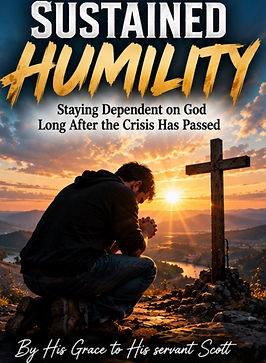
Sustained Humility
Staying Dependent on God Long After the Crisis Has Passed
One of the greatest dangers in recovery is not always the temptation to drink or use drugs again. Sometimes it is the quiet return of self-confidence that convinces us we no longer need the same dependence on God that brought us out of bondage. When our lives were falling apart, we knew we needed help. We prayed desperately, listened carefully, accepted correction, and surrendered because we had nowhere else to turn. But as sobriety grows, relationships improve, and life becomes manageable, something dangerous can begin happening. We slowly start trusting ourselves again. Scripture warns, “Therefore let the one who thinks he stands watch out that he does not fall” (1 Corinthians 10:12). The danger is not that we have grown stronger; it is forgetting Who made us strong.
Step Seven teaches us to humbly ask God to remove our shortcomings. But humility is not a one-time experience at the altar, during a recovery meeting, or in a desperate prayer. It must become a daily posture of the heart. We cannot surrender our pride on Monday and begin living independently of God by Friday. The same God who rescued us from addiction is the God we must depend upon to remain free. Humility brought us to the place of surrender, but sustained humility keeps us living there.
Think about how easily our thinking can change. In the beginning, we said, “God, I cannot do this without You.” Months later, we may begin saying, “I’ve got this.” We start skipping quiet time, avoiding honest conversations, neglecting our daily inventory, or believing we have outgrown the need for accountability. The very disciplines that helped establish our recovery begin looking optional. Moses warned Israel against forgetting God when life became prosperous: “Otherwise, you may say in your heart, ‘My power and the strength of my hand made me this wealth’” (Deuteronomy 8:17). What was true for Israel can become true in recovery. We begin taking credit for what God’s grace made possible.
Humility remembers where we came from without allowing our past to define us. We do not need to live in shame over yesterday, but neither should we forget what happened when we insisted on controlling our own lives. Paul asked, “What do you have that you did not receive?” (1 Corinthians 4:7). Our restored relationships, clear thinking, renewed opportunities, and growing self-control are reasons for gratitude, not self-congratulation. Every day of freedom should deepen our thankfulness rather than increase our independence from God.
Sustained humility also means remaining teachable. During addiction, many of us became experts at defending ourselves, rejecting correction, blaming others, and explaining away our behavior. Recovery requires a different spirit. When someone lovingly confronts us, do we listen or immediately defend ourselves? When our mentor identifies a dangerous attitude, do we examine it or dismiss it? When Scripture exposes something uncomfortable, do we surrender or justify it? “God is opposed to the proud, but gives grace to the humble” (James 4:6). A humble person does not have to agree with every criticism, but remains willing to examine every correction.
We must also understand that humility does not mean pretending we have made no progress. God has genuinely changed us, and we should celebrate His work. But spiritual maturity recognizes that growth does not eliminate our need for grace. Paul learned this through his own weakness when the Lord told him, “My grace is sufficient for you, for power is perfected in weakness” (2 Corinthians 12:9). Admitting weakness is not defeat. It is refusing to build our confidence on something as unreliable as ourselves.
Some of the most dangerous moments in recovery come when everything seems to be going well. The bills are paid, the family is healing, employment is stable, and cravings have become less frequent. We begin believing we are beyond certain temptations. But the enemy does not need to convince us to return to the bottle immediately if he can first convince us to stop depending on God. Pride often prepares the ground long before relapse becomes visible.
This is why daily quiet time, prayer, Scripture, honest inventory, and staying connected to others remain essential. They are not religious obligations designed to earn God’s approval. They are practical expressions of dependence. Every morning we return to the same truth: Lord, I still need You today. Not because yesterday was a failure, but because yesterday’s victory does not replace today’s surrender.
Paul wrote, “Not that I have already grasped it all or have already become perfect, but I press on” (Philippians 3:12). That is the attitude of sustained humility. We celebrate progress without declaring ourselves finished. We recognize victory without becoming careless. We accept responsibility without pretending we are self-sufficient.
The goal of Step Seven is not to become so strong that we no longer need God. It is to become so surrendered that we never forget our need for Him. Whether you have been sober seven days or twenty years, the foundation remains the same. Stay honest. Stay teachable. Stay grateful. Stay surrendered.
Humility is not simply how we begin recovery. It is how we continue walking in freedom. The moment we believe we have arrived is often the moment we stop allowing God to lead us forward.
By His Grace to His servant Scott
Recent Devotionals

Humildad Perseverante
Permanecer Dependientes de Dios Mucho Después de que la Crisis Haya Pasado
Uno de los mayores peligros en la recuperación no siempre es la tentación de volver a beber alcohol o consumir drogas. A veces es el regreso silencioso de la confianza en nosotros mismos, que nos convence de que ya no necesitamos depender de Dios como lo hacíamos cuando Él nos sacó de la esclavitud. Cuando nuestras vidas se estaban derrumbando, sabíamos que necesitábamos ayuda. Orábamos desesperadamente, escuchábamos con atención, aceptábamos la corrección y nos rendíamos porque no teníamos a dónde más acudir. Pero a medida que avanzamos en la sobriedad, nuestras relaciones mejoran y la vida se vuelve más manejable, algo peligroso puede comenzar a suceder. Poco a poco empezamos a confiar nuevamente en nosotros mismos. La Escritura advierte: “Por tanto, el que cree que está firme, tenga cuidado, no sea que caiga” (1 Corintios 10:12). El peligro no es que nos hayamos fortalecido, sino que olvidemos Quién nos dio esa fortaleza.
El Séptimo Paso nos enseña a pedir humildemente a Dios que elimine nuestros defectos de carácter. Pero la humildad no es una experiencia que ocurre una sola vez frente al altar, durante una reunión de recuperación o en una oración desesperada. Debe convertirse en una actitud diaria del corazón. No podemos rendir nuestro orgullo el lunes y comenzar a vivir independientemente de Dios el viernes. El mismo Dios que nos rescató de la adicción es Aquel de quien debemos seguir dependiendo para permanecer libres. La humildad nos llevó al lugar de la rendición, pero la humildad perseverante nos mantiene viviendo allí.
Piensa en lo fácilmente que puede cambiar nuestra manera de pensar. Al principio decíamos: “Dios, no puedo hacer esto sin Ti”. Meses después, podemos comenzar a decir: “Ya puedo manejar esto por mi cuenta”. Empezamos a descuidar nuestro tiempo a solas con Dios, evitar conversaciones honestas, abandonar nuestro inventario moral diario o creer que ya no necesitamos rendir cuentas a nadie. Las mismas disciplinas que ayudaron a establecer nuestra recuperación comienzan a parecernos opcionales. Moisés advirtió a Israel sobre el peligro de olvidar a Dios cuando llegara la prosperidad: “No sea que digas en tu corazón: ‘Mi poder y la fuerza de mi mano me han producido esta riqueza’” (Deuteronomio 8:17). Lo que fue cierto para Israel también puede suceder en nuestra recuperación. Comenzamos a atribuirnos el mérito de aquello que la gracia de Dios hizo posible.
La humildad recuerda de dónde venimos sin permitir que nuestro pasado nos defina. No necesitamos vivir avergonzados por nuestro ayer, pero tampoco debemos olvidar lo que sucedió cuando insistimos en controlar nuestras propias vidas. Pablo preguntó: “¿Qué tienes que no recibiste?” (1 Corintios 4:7). Nuestras relaciones restauradas, nuestra claridad mental, las nuevas oportunidades y el dominio propio que estamos desarrollando son motivos de gratitud, no de felicitarnos a nosotros mismos. Cada día de libertad debería profundizar nuestro agradecimiento en lugar de aumentar nuestra independencia de Dios.
La humildad perseverante también significa permanecer dispuestos a recibir enseñanza y corrección. Durante la adicción, muchos de nosotros nos convertimos en expertos en defendernos, rechazar la corrección, culpar a otros y justificar nuestro comportamiento. La recuperación requiere un espíritu diferente. Cuando alguien nos confronta con amor, ¿escuchamos o inmediatamente nos ponemos a la defensiva? Cuando nuestro mentor identifica una actitud peligrosa, ¿la examinamos o la descartamos? Cuando las Escrituras revelan algo incómodo, ¿lo rendimos ante Dios o buscamos justificarlo? “Dios resiste a los soberbios, pero da gracia a los humildes” (Santiago 4:6). Una persona humilde no tiene que estar de acuerdo con cada crítica, pero permanece dispuesta a examinar cada corrección.
También debemos comprender que la humildad no significa fingir que no hemos progresado. Dios verdaderamente nos ha cambiado, y debemos celebrar Su obra. Pero la madurez espiritual reconoce que el crecimiento no elimina nuestra necesidad de gracia. Pablo aprendió esto a través de su propia debilidad cuando el Señor le dijo: “Te basta mi gracia, pues mi poder se perfecciona en la debilidad” (2 Corintios 12:9). Reconocer nuestra debilidad no es una derrota. Es negarnos a construir nuestra confianza sobre algo tan poco confiable como nuestra propia autosuficiencia.
Algunos de los momentos más peligrosos en la recuperación llegan cuando todo parece estar marchando bien. Las cuentas están pagadas, la familia está sanando, el empleo es estable y los deseos de consumir se presentan con menos frecuencia. Comenzamos a creer que ciertas tentaciones ya no representan ningún peligro para nosotros. Pero el enemigo no necesita convencernos de regresar inmediatamente a la botella si primero logra convencernos de dejar de depender de Dios. Muchas veces, el orgullo prepara el terreno mucho antes de que una recaída se haga visible.
Por eso, nuestro tiempo diario a solas con Dios, la oración, las Escrituras, el inventario moral honesto y mantenernos conectados con otras personas siguen siendo esenciales. No son obligaciones religiosas diseñadas para ganar la aprobación de Dios. Son expresiones prácticas de nuestra dependencia de Él. Cada mañana regresamos a la misma verdad: Señor, todavía te necesito hoy. No porque ayer haya sido un fracaso, sino porque la victoria de ayer no reemplaza la rendición de hoy.
Pablo escribió: “No que ya lo haya alcanzado o que ya haya llegado a ser perfecto, sino que sigo adelante” (Filipenses 3:12). Esa es la actitud de la humildad perseverante. Celebramos el progreso sin declarar que hemos terminado. Reconocemos la victoria sin volvernos descuidados. Aceptamos nuestra responsabilidad sin fingir que somos autosuficientes.
El propósito del Séptimo Paso no es llegar a ser tan fuertes que ya no necesitemos a Dios. Es llegar a estar tan rendidos a Él que nunca olvidemos cuánto lo necesitamos. Ya sea que lleves siete días o veinte años sobrio, el fundamento sigue siendo el mismo. Permanece honesto. Permanece dispuesto a aprender. Permanece agradecido. Permanece rendido a Dios.
La humildad no es simplemente la manera en que comenzamos nuestra recuperación. Es la manera en que continuamos caminando en libertad. El momento en que creemos que ya hemos llegado a la meta es, muchas veces, el momento en que dejamos de permitir que Dios nos siga guiando hacia adelante.
Por Su Gracia, a Su siervo Scott.
持续保持谦卑
即使危机已经过去,仍然持续依靠神
在康复过程中,最大的危险之一,并不总是再次喝酒或吸毒的诱惑。有时候,真正的危险是自信心悄悄地重新占据我们的内心,使我们开始相信,自己已经不再需要像当初脱离捆绑时那样依靠神。当我们的生命濒临崩溃时,我们知道自己需要帮助。我们迫切祷告、认真聆听、接受纠正,并且愿意降服,因为我们已经无路可走。然而,随着戒酒戒毒的时间越来越长,人际关系逐渐改善,生活开始恢复稳定,一件危险的事情也可能悄悄发生:我们开始重新依靠自己。圣经警告我们:“所以,自己以为站得稳的,须要谨慎,免得跌倒。”(哥林多前书 10:12)真正的危险不是我们变得更加坚强,而是我们忘记了是谁使我们刚强。
第七步教导我们谦卑地求神除去我们的性格缺陷。但谦卑并不是在祭坛前、康复聚会中,或者一次绝望的祷告里所经历的一次性事件。谦卑必须成为我们每天生活中的内心态度。我们不能星期一向神降服自己的骄傲,到了星期五却又开始过着不依靠神的生活。那位曾经拯救我们脱离毒瘾的神,也是我们今天必须继续依靠、才能持守自由的神。谦卑带领我们来到降服的地方,而持续的谦卑使我们一直活在降服之中。
想一想,我们的思想是多么容易发生变化。刚开始康复时,我们说:“神啊,没有祢,我做不到。”几个月之后,我们可能开始说:“我现在可以自己处理了。”我们开始忽略每天安静亲近神的时间,逃避诚实的谈话,忽视每日道德省察,或者认为自己已经成长到不再需要别人的监督和提醒。那些曾经帮助我们建立康复生活的属灵操练,渐渐变成可有可无的事情。摩西曾警告以色列人,当生活变得富足时,不要忘记神:“恐怕你心里说:‘这货财是我力量、我能力得来的。’”(申命记 8:17)以色列人所面对的危险,同样可能发生在我们的康复过程中。我们开始把原本属于神恩典的功劳归给自己。
谦卑使我们记得自己从哪里走出来,却不允许过去决定我们今天的身份。我们不需要继续活在昨日的羞耻中,但也不应该忘记,当初坚持掌控自己生命时,究竟发生了什么。保罗问道:“你有什么不是领受的呢?”(哥林多前书 4:7)如今得到修复的人际关系、清醒的思想、重新出现的机会,以及不断增长的自制能力,都是值得感恩的理由,而不是自我夸耀的资本。每一天的自由,都应该使我们更加感谢神,而不是更加独立于神。
持续保持谦卑,也意味着始终愿意接受教导和纠正。在毒瘾控制我们的日子里,许多人已经成为替自己辩护、拒绝纠正、责怪别人,以及为错误行为寻找借口的专家。但康复要求我们拥有一种不同的心态。当有人出于爱心指出我们的问题时,我们是认真聆听,还是立刻为自己辩护?当导师发现我们有危险的态度时,我们是愿意省察,还是直接否认?当圣经揭露我们内心不愿面对的问题时,我们是选择降服,还是继续寻找借口?圣经说:“神阻挡骄傲的人,赐恩给谦卑的人。”(雅各书 4:6)谦卑的人不需要同意每一句批评,但必须愿意认真省察每一次纠正。
我们也必须明白,谦卑并不意味着假装自己没有任何进步。神确实已经改变了我们,我们也应该为祂所成就的工作欢喜感恩。但属灵成熟意味着认识到,即使我们不断成长,仍然需要神的恩典。保罗在自己的软弱中学到了这个功课。主对他说:“我的恩典够你用的,因为我的能力是在人的软弱上显得完全。”(哥林多后书 12:9)承认自己的软弱并不是失败,而是拒绝把信心建立在我们自己并不可靠的能力上。
康复过程中,有些最危险的时刻,恰恰发生在一切似乎都很顺利的时候。账单已经付清,家庭关系正在修复,工作稳定,想要喝酒或吸毒的冲动也越来越少。我们开始相信,某些诱惑已经不可能再影响自己。然而,仇敌不一定需要立刻说服我们重新拿起酒瓶;如果牠能够先说服我们不再依靠神,就已经迈出了危险的一步。很多时候,在复发真正出现之前,骄傲早已悄悄为它预备了道路。
这就是为什么每天安静亲近神、祷告、阅读圣经、诚实地进行道德省察,以及与支持我们康复的人保持联系,始终如此重要。这些并不是为了赚取神认可而必须完成的宗教任务,而是我们依靠神的实际表现。每天早晨,我们都要重新回到同一个真理面前:主啊,今天我仍然需要祢。不是因为昨天失败了,而是因为昨天的得胜不能代替今天的降服。
保罗写道:“这不是说我已经得着了,已经完全了;我乃是竭力追求。”(腓立比书 3:12)这正是持续谦卑的态度。我们可以庆祝进步,却不宣称自己已经完成了成长的过程。我们可以承认得胜,却不因此放松警惕。我们可以承担自己的责任,却不假装自己已经能够完全依靠自己。
第七步的目的,并不是使我们变得足够坚强,以至于不再需要神,而是使我们完全降服于祂,以至于永远不会忘记自己多么需要祂。 无论你已经戒酒戒毒七天,还是已经保持清醒二十年,根基始终没有改变。保持诚实,保持受教的心,保持感恩,并且持续向神降服。
谦卑不仅是我们开始康复时所需要的态度,更是我们继续行走在自由中所必须持守的生命方式。当我们开始相信自己已经到达终点时,往往也正是我们停止让神继续带领我们向前的时候。
靠着祂的恩典,献给祂的仆人 Scott。