January 14, 2026
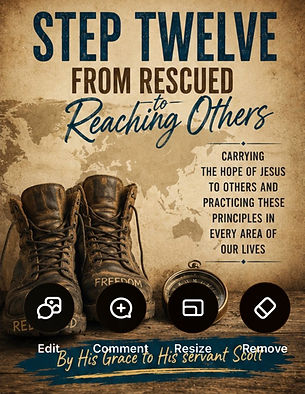
Step Twelve — From Rescued to Reaching Others
Carrying the Hope of Jesus to Others and Practicing These Principles in Every Area of Our Lives

“Having experienced spiritual transformation through Jesus Christ as a result of these steps, we sought to carry this message of hope to others struggling with addiction and to practice these biblical principles in every area of our lives.”
Step One began with a broken admission: I cannot do this anymore. We finally faced the truth that alcohol and drugs had become stronger than our promises, intentions, and willpower. Now we arrive at Step Twelve, and something remarkable has happened along the journey. The person who once desperately needed someone to reach down into the darkness is becoming someone capable of reaching back toward another person. This is one of the beautiful movements of God’s grace. Jesus does not simply pull us from destruction and say, Good luck. He begins rebuilding our lives, transforming our character, healing relationships, teaching us truth, and eventually allowing the very places where we were broken to become places from which we can serve others.
Scripture says that God “comforts us in all our affliction so that we will be able to comfort those who are in any affliction with the comfort with which we ourselves are comforted by God” (2 Corinthians 1:4). That jail cell, overdose, treatment center, relapse, broken relationship, night of withdrawal, or morning you woke wondering how your life had gotten this far does not have to become the final chapter. God never calls those destructive things good, but He can redeem what happened. Our scars can become road maps for somebody who is still trying to find the way out.
But Step Twelve contains an important boundary: we carry the message; we are not the Savior. Anyone who has worked around addiction long enough understands this. We cannot make another person stop drinking. We cannot force someone to put down the needle, pipe, pill, or drug. We cannot surrender for them, repent for them, or work their recovery for them. That belongs between them and God. Jesus saves; we simply carry the message. This protects us from turning service into control and reminds us that our responsibility is faithfulness, not fixing everybody.
And what exactly is the message we carry? It is more than I got sober. Our message is: Jesus Christ met me where I was, and there is hope for you too. Jesus said, “So if the Son sets you free, you really will be free” (John 8:36). Programs provide structure. Meetings provide community. Accountability provides protection. Journaling helps us examine ourselves. The Twelve Steps give us a pathway for working through important areas of recovery. But none of these things replace Jesus Christ. The program is never greater than the Person.
Step Twelve also protects us from forgetting where we came from. After years of sobriety, it can become easy to look at someone still trapped in addiction and wonder why they cannot simply get themselves together. Never forget how powerless you once felt. Never become too polished to sit beside somebody shaking through their first sober day. Never become so spiritual that you look down on someone whose life still carries the smell of the place Jesus brought you out of. Paul said, “But by the grace of God I am what I am” (1 Corinthians 15:10). Grace should make us grateful, never superior.
Service also begins reversing one of addiction’s deepest patterns: self-centeredness. Addiction gradually made everything revolve around us—my craving, my pain, my money, my problems, my feelings, my next drink, my next high. Recovery begins turning our eyes outward. Scripture says, “do not merely look out for your own personal interests, but also for the interests of others” (Philippians 2:4). Sometimes the person we help most is ourselves when we stop staring at our own problems long enough to serve somebody else.
But there is a warning here. We can become so busy helping other people recover that we neglect our own recovery. We can tell others to pray while our own prayer life disappears. We can teach accountability while hiding things ourselves. We can talk about Scripture without personally remaining in it. Jesus said, “Abide in Me” (John 15:4). We cannot continually give away living water while disconnecting ourselves from the Source. Helping others must never become a substitute for continuing to walk closely with Jesus ourselves.
Step Twelve also says that we practice these principles in every area of our lives. Recovery does not end when the meeting ends. These principles follow us home. They enter our marriages, parenting, workplaces, finances, friendships, churches, conflicts, and private decisions. We practice honesty when lying would be easier. Humility when pride wants control. Forgiveness when resentment wants revenge. Daily inventory when our flesh wants excuses. Prayer when anxiety wants panic. Service when selfishness wants everything centered around us. Recovery becomes more than something we attend; it becomes a way we live.
And Step Twelve is not graduation from the previous eleven Steps. We still surrender. We still need hope. We still turn our will toward Jesus. We continue examining ourselves, confessing, remaining willing to change, making amends, taking daily inventory, praying, studying Scripture, and staying connected to healthy community. The Steps become rhythms that help us continue walking in freedom.
Then something beautiful begins happening. Jesus reaches one person. That person eventually reaches another. That person reaches somebody else. A father changes, and his children experience a different home. A mother finds freedom, and a family begins healing. Someone who once sold drugs begins carrying hope. Someone who once destroyed relationships begins restoring them. Freedom starts traveling through generations.
Jesus said, “Freely you received, freely give” (Matthew 10:8). We do not serve to repay God; grace cannot be repaid. Service is gratitude with work boots on.
Step One began with: I cannot. Step Twelve ends with: Look what Jesus has done—and I cannot keep it to myself.
We were rescued. We are being restored. And now, by the grace of Jesus Christ, we reach back for the person still coming behind us.
By His Grace to His servant Scott
Recent Devotionals
Paso Doce — De Ser Rescatados a Alcanzar a Otros
Llevando la Esperanza de Jesús a Otros y Practicando Estos Principios en Cada Área de Nuestra Vida
“Habiendo experimentado una transformación espiritual por medio de Jesucristo como resultado de estos pasos, procuramos llevar este mensaje de esperanza a otros que luchan con la adicción y practicar estos principios bíblicos en cada área de nuestra vida.”
El Paso Uno comenzó con una confesión quebrantada: Ya no puedo hacer esto. Finalmente enfrentamos la verdad de que el alcohol y las drogas se habían vuelto más fuertes que nuestras promesas, intenciones y fuerza de voluntad. Ahora llegamos al Paso Doce, y algo extraordinario ha sucedido durante el camino. La persona que una vez necesitaba desesperadamente que alguien extendiera la mano hacia su oscuridad está comenzando a convertirse en alguien capaz de extenderla hacia otra persona. Este es uno de los movimientos hermosos de la gracia de Dios. Jesús no simplemente nos saca de la destrucción y dice: Buena suerte. Él comienza a reconstruir nuestra vida, transformar nuestro carácter, sanar relaciones, enseñarnos la verdad y, finalmente, permite que los mismos lugares donde fuimos quebrantados se conviertan en lugares desde donde podemos servir a otros.
La Escritura dice que Dios “nos consuela en todas nuestras tribulaciones, para que también nosotros podamos consolar a los que están en cualquier aflicción con el consuelo con que nosotros mismos somos consolados por Dios” (2 Corintios 1:4). Aquella celda, sobredosis, centro de tratamiento, recaída, relación destruida, noche de abstinencia o mañana en que despertaste preguntándote cómo habías llegado tan lejos no tiene que convertirse en el capítulo final. Dios nunca llama buenas a esas cosas destructivas, pero puede redimir lo sucedido. Nuestras cicatrices pueden convertirse en mapas para alguien que todavía está tratando de encontrar la salida.
Pero el Paso Doce contiene un límite importante: nosotros llevamos el mensaje; no somos el Salvador. Cualquiera que haya trabajado alrededor de la adicción durante suficiente tiempo entiende esto. No podemos hacer que otra persona deje de beber. No podemos obligar a alguien a dejar la aguja, la pipa, la pastilla o la droga. No podemos rendirnos por ellos, arrepentirnos por ellos ni trabajar su recuperación por ellos. Eso pertenece entre ellos y Dios. Jesús salva; nosotros simplemente llevamos el mensaje. Esto evita que convirtamos el servicio en control y nos recuerda que nuestra responsabilidad es ser fieles, no arreglar a todo el mundo.
¿Y cuál es exactamente el mensaje que llevamos? Es mucho más que: Logré mantenerme sobrio. Nuestro mensaje es: Jesucristo me encontró donde yo estaba, y también hay esperanza para ti. Jesús dijo: “Así que, si el Hijo los hace libres, ustedes serán realmente libres” (Juan 8:36). Los programas proporcionan estructura. Las reuniones proporcionan comunidad. La rendición de cuentas proporciona protección. Escribir un diario nos ayuda a examinarnos. Los Doce Pasos nos proporcionan un camino para trabajar áreas importantes de nuestra recuperación. Pero ninguna de estas cosas reemplaza a Jesucristo. El programa nunca puede ser más grande que la Persona.
El Paso Doce también nos protege de olvidar de dónde venimos. Después de años de sobriedad, puede resultar fácil mirar a alguien todavía atrapado en la adicción y preguntarnos por qué simplemente no pone su vida en orden. Nunca olvides lo impotente que alguna vez te sentiste. Nunca llegues a estar demasiado arreglado para sentarte al lado de alguien que tiembla durante su primer día sobrio. Nunca llegues a ser tan espiritual que mires por encima del hombro a alguien cuya vida todavía lleva el olor del lugar del cual Jesús te sacó. Pablo dijo: “Pero por la gracia de Dios soy lo que soy” (1 Corintios 15:10). La gracia debe hacernos agradecidos, nunca superiores.
El servicio también comienza a revertir uno de los patrones más profundos de la adicción: el egocentrismo. Poco a poco, la adicción hizo que todo girara alrededor de nosotros: mi deseo de consumir, mi dolor, mi dinero, mis problemas, mis sentimientos, mi próxima bebida, mi próxima droga. La recuperación comienza a dirigir nuestra mirada hacia afuera. La Escritura dice: “no buscando cada uno sus propios intereses, sino más bien los intereses de los demás” (Filipenses 2:4). Algunas veces, la persona a quien más ayudamos somos nosotros mismos cuando dejamos de mirar nuestros problemas el tiempo suficiente para servir a alguien más.
Pero aquí también existe una advertencia. Podemos llegar a estar tan ocupados ayudando a otras personas en su recuperación que descuidamos la nuestra. Podemos decirles a otros que oren mientras nuestra propia vida de oración desaparece. Podemos enseñar rendición de cuentas mientras nosotros escondemos cosas. Podemos hablar de la Escritura sin permanecer personalmente en ella. Jesús dijo: “Permanezcan en Mí” (Juan 15:4). No podemos continuar dando agua viva a otros mientras nosotros mismos nos desconectamos de la Fuente. Ayudar a otros nunca debe convertirse en sustituto de continuar caminando cerca de Jesús.
El Paso Doce también dice que practicamos estos principios en cada área de nuestra vida. La recuperación no termina cuando termina la reunión. Estos principios nos siguen hasta nuestra casa. Entran en nuestro matrimonio, nuestra manera de criar a los hijos, nuestro trabajo, nuestras finanzas, amistades, iglesias, conflictos y decisiones privadas. Practicamos honestidad cuando mentir sería más fácil. Humildad cuando el orgullo quiere controlar. Perdón cuando el resentimiento quiere venganza. Inventario diario cuando nuestra carne quiere excusas. Oración cuando la ansiedad quiere producir pánico. Servicio cuando el egoísmo quiere que todo gire alrededor de nosotros. La recuperación deja de ser solamente algo a lo que asistimos; se convierte en una manera de vivir.
Y el Paso Doce no es nuestra graduación de los once Pasos anteriores. Todavía nos rendimos. Todavía necesitamos esperanza. Seguimos entregando nuestra voluntad a Jesús. Continuamos examinándonos, confesando, permaneciendo dispuestos a cambiar, haciendo reparaciones, tomando inventario diario, orando, estudiando la Escritura y permaneciendo conectados con una comunidad saludable. Los Pasos se convierten en ritmos que nos ayudan a continuar caminando en libertad.
Entonces comienza a suceder algo hermoso. Jesús alcanza a una persona. Esa persona finalmente alcanza a otra. Esa persona alcanza a alguien más. Un padre cambia y sus hijos experimentan un hogar diferente. Una madre encuentra libertad y una familia comienza a sanar. Alguien que antes vendía drogas comienza a llevar esperanza. Alguien que antes destruía relaciones comienza a restaurarlas. La libertad comienza a viajar a través de generaciones.
Jesús dijo: “De gracia recibieron, den de gracia” (Mateo 10:8). No servimos para pagarle a Dios; la gracia no puede ser pagada. El servicio es gratitud con las botas de trabajo puestas.
El Paso Uno comenzó diciendo: Yo no puedo. El Paso Doce termina diciendo: Mira lo que Jesús ha hecho, y no puedo guardármelo solamente para mí.
Fuimos rescatados. Estamos siendo restaurados. Y ahora, por la gracia de Jesucristo, extendemos la mano hacia la persona que todavía viene detrás de nosotros.
Por Su Gracia, a Su siervo Scott
第十二步——从被拯救到伸手帮助别人
把耶稣的盼望带给别人,并在生命的每一个领域活出这些原则
“借着这些步骤,我们经历了耶稣基督所带来的属灵生命改变,因此我们努力把这个盼望的信息带给其他仍在成瘾中挣扎的人,并在生命的每一个领域实践这些圣经原则。”
第一步从一个破碎却诚实的承认开始:我真的不能再这样下去了。 我们终于面对事实:酒精和毒品已经变得比我们的承诺、决心和意志力更强。现在我们来到第十二步,在这段旅程中,一件奇妙的事情已经发生。那个曾经在黑暗里拼命等待别人伸手拉自己一把的人,如今正在成为一个能够转身向另一个人伸出手的人。这正是上帝恩典最美丽的工作之一。耶稣不是简单地把我们从毁灭中拉出来,然后说:接下来你自己想办法吧。 祂开始重建我们的生命、改变我们的品格、医治关系、教导我们真理,最终甚至使我们曾经最破碎的地方,成为能够服事别人的地方。
圣经说,上帝“在我们一切的患难中安慰我们,使我们能用上帝所赐的安慰去安慰那些遭受各种患难的人”(哥林多后书 1:4)。那间牢房、那次药物过量、那个康复中心、那次复发、那段破裂的关系、那个经历戒断痛苦的夜晚,或者那个早晨——你醒来后甚至不知道自己的人生为什么会走到这一步——都不必成为故事最后的一章。上帝从来不会把那些破坏性的事情称为美好,但祂能够救赎已经发生的一切。我们的伤疤,可以成为仍在寻找出口之人的地图。
但是,第十二步也包含一个非常重要的界限:我们负责传递信息,但我们不是救主。 任何长期接触成瘾问题的人都会明白这一点。我们不能让另一个人停止喝酒,不能强迫一个人放下针头、烟斗、药片或毒品。我们不能替别人降服,不能替别人悔改,也不能替别人完成康复。这是他们自己与上帝之间必须面对的事情。耶稣拯救人;我们只是传递这个信息。这使我们的服事不会变成控制,也提醒我们:我们的责任是忠心,而不是修好所有的人。
那么,我们到底要传递什么信息?不仅仅是:我戒掉了。 我们真正的信息是:耶稣基督在我最糟糕的地方找到了我,所以你也有盼望。 耶稣说:“所以天父的儿子若叫你们自由,你们就真自由了。”(约翰福音 8:36)康复计划提供结构,聚会提供群体,彼此监督提供保护,写日记帮助我们省察自己,十二步骤帮助我们有次序地处理康复中的重要问题。但这些都不能取代耶稣基督。康复计划永远不能大过基督本人。
第十二步也保护我们,使我们不会忘记自己是从哪里出来的。清醒几年以后,我们很容易看着一个仍然陷在成瘾中的人,心里想:他为什么不能赶快把自己的人生整理好? 永远不要忘记你曾经多么无力。永远不要变得太体面,以至于不愿坐在一个戒酒第一天还在发抖的人旁边。永远不要变得“太属灵”,开始轻看那些生命中仍然带着耶稣曾经把你救出来之地方气味的人。保罗说:“然而,我今日成了何等人,是蒙上帝的恩才成的。”(哥林多前书 15:10)恩典应该使我们感恩,而不是使我们觉得自己比别人高。
服事也开始扭转成瘾最深的模式之一:以自我为中心。成瘾逐渐使所有事情围绕着我们转:我的欲望、我的痛苦、我的钱、我的问题、我的感觉、我的下一杯酒、我的下一次吸毒。 康复开始让我们的眼睛向外看。圣经说:“各人不要单顾自己的事,也要顾别人的事。”(腓立比书 2:4)有时候,当我们停止一直盯着自己的问题,开始服事别人时,得到最大帮助的人反而是我们自己。
但是这里也有一个警告。我们可能忙着帮助别人康复,却开始忽略自己的康复。我们可以告诉别人祷告,自己的祷告生活却逐渐消失;教导别人接受监督,自己却开始隐藏秘密;向别人讲圣经,自己却不再真正活在上帝的话语中。耶稣说:“你们要常在我里面。”(约翰福音 15:4)如果我们自己离开了源头,就不可能不断把活水带给别人。 帮助别人绝不能取代我们自己每天与耶稣同行。
第十二步还要求我们在生命的每一个领域实践这些原则。康复不会在聚会结束时结束。这些原则会跟着我们回家,进入我们的婚姻、亲子关系、工作、财务、友谊、教会生活、冲突以及无人看见时所作的决定。当撒谎更容易时,我们选择诚实;当骄傲想控制时,我们选择谦卑;当怨恨想报复时,我们选择饶恕;当肉体想找借口时,我们继续每天省察;当焦虑想制造恐慌时,我们祷告;当自私希望所有事情都围绕自己时,我们选择服事。康复不再只是我们参加的一项活动,而成为我们的生活方式。
而且,第十二步绝不是从前面十一个步骤“毕业”。我们仍然需要降服,仍然需要盼望,仍然把自己的意志交给耶稣。我们继续省察自己、认罪、保持愿意改变的心、作出弥补、每天进行生命清查、祷告、学习圣经,并保持与健康群体的连接。十二步骤逐渐成为帮助我们继续行在自由中的生命节奏。
然后,一件美好的事情开始发生。耶稣触摸一个人,这个人后来帮助另一个人,那个人再去帮助下一个人。一个父亲被改变,他的孩子开始经历一个不同的家庭;一个母亲得到自由,整个家庭开始得到医治;一个过去卖毒品的人,现在开始传递盼望;一个曾经破坏关系的人,现在开始修复关系。自由开始一代一代地传递下去。
耶稣说:“你们白白地得来,也要白白地舍去。”(马太福音 10:8)我们服事不是为了偿还上帝,因为恩典永远无法偿还。服事,就是穿上工作靴的感恩。
第一步开始时,我们说:我不能。 第十二步结束时,我们说:看看耶稣做了什么——我不能只把这一切留给自己。
我们曾经被拯救。我们正在被恢复。现在,借着耶稣基督的恩典,我们转过身来,向那个仍然走在我们后面的人伸出手。
因祂的恩典,写给祂的仆人 Scott