April 2
Reinforcing Godly Habits
Learning to Practice Daily What Jesus Is Changing Within Us
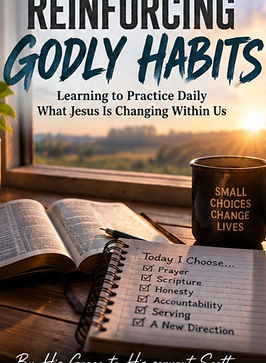
Addiction did not take control of our lives in a single day. It trained us through repetition. We learned where to go, who to call, what to hide, and how to escape when fear, anger, loneliness, or shame came knocking. Now we expect new habits to feel natural immediately. Scripture says, “discipline yourself for the purpose of godliness” (1 Timothy 4:7). Godly habits grow through repeated choices, made in dependence on Jesus, even when it is difficult.
Step Seven taught us to humbly ask God to remove our shortcomings. But humility does not mean passivity. If we ask Him to remove dishonesty, we must practice telling the truth. If we ask Him to remove resentment, we must stop rehearsing every offense. If we ask Him to remove selfishness, we must learn to serve. “But put on the Lord Jesus Christ, and make no provision for the flesh in regard to its lusts” (Romans 13:14). Grace invites us into a different way of living.
The new life is often built in ordinary moments. Meeting Jesus before reaching for the phone. Reading Scripture instead of scrolling. Journaling honestly. Calling a mentor before a craving becomes a plan. Attending a meeting when we want to skip it. Apologizing without defending ourselves. Jesus said, “He who is faithful in a very little thing is faithful also in much” (Luke 16:10). Small choices are not small when they are building a new direction for our lives.
We also need to recognize the hours when our old habits are most persuasive. For some, it is payday. For others, it is loneliness, an old neighborhood, or exhaustion. Fatigue, hunger, conflict, and disappointment can make yesterday's escape look attractive again. Wisdom means preparing before the temptation arrives. Change your route. Keep healthy people close. Remove access to substances where possible. Plan your evening. Ask for help early. This protects the freedom God is growing in you.
But do not confuse discipline with punishing yourself. Scripture says, “for it is God who is at work in you, both to will and to work for His good pleasure” (Philippians 2:13). We cooperate with His work; we do not manufacture it through shame. Difficulty does not mean failure. It may mean you are practicing a response your old life never taught you.
The evening gives us a valuable opportunity to look back without running away. Before bed, ask Jesus: Where did I follow You today? Where did I react out of fear or pride? Did I hide anything? Did I reach out when I needed help? What should I make right tomorrow? David prayed, “Search me, God, and know my heart” (Psalm 139:23). A daily inventory is not self-condemnation. It is where truth meets grace.
And remember, these practices are not a way to earn the love of Jesus. We practice them because He already loves us and calls us to grow. When we fall short, we return to Him, not away from Him. A new rhythm is built by showing up again, with honesty and hope. There will be imperfect days. You may miss your quiet time, speak harshly, isolate, or feel an old craving rise. Do not turn one wrong choice into permission for ten more. Admit what happened, seek support, make amends where needed, and return to the next right action. If you return to drinking or drugs, reach out for immediate help rather than hiding. Recovery is strengthened not by pretending we never struggle, but by learning to respond honestly when we do.
Today, choose one habit to reinforce. Pray before reacting. Tell the truth when it costs you. Open your Bible. Write the inventory. Make the call. Serve someone who cannot repay you. Then practice again tomorrow. Jesus is not simply teaching us how to avoid a bottle, a pill, or a needle. He is forming people who know how to live free. What we repeat begins to shape who we become. Do not wait until obedience feels easy. Walk with Jesus until His ways become the paths you know.
By His Grace to His servant Scott
Recent Devotionals

Reforzando los Hábitos Piadosos
Aprendiendo a Practicar Cada Día lo que Jesús Está Transformando en Nuestro Interior
La adicción no tomó el control de nuestras vidas en un solo día. Nos entrenó mediante la repetición. Aprendimos adónde ir, a quién llamar, qué esconder y cómo escapar cuando el temor, la ira, la soledad o la vergüenza llamaban a nuestra puerta. Ahora esperamos que los nuevos hábitos se sientan naturales inmediatamente. La Escritura dice: «Disciplínate a ti mismo para la piedad» (1 Timoteo 4:7). Los hábitos piadosos crecen mediante decisiones repetidas, tomadas en dependencia de Jesús, aun cuando resulta difícil.
El Séptimo Paso nos enseñó a pedir humildemente a Dios que elimine nuestros defectos de carácter. Pero la humildad no significa pasividad. Si le pedimos que elimine la deshonestidad, debemos practicar decir la verdad. Si le pedimos que quite el resentimiento, debemos dejar de revivir cada ofensa. Si le pedimos que elimine el egoísmo, debemos aprender a servir. «Antes bien, vestíos del Señor Jesucristo, y no penséis en proveer para las lujurias de la carne» (Romanos 13:14). La gracia nos invita a vivir de una manera diferente.
La nueva vida muchas veces se construye en momentos ordinarios. Buscar a Jesús antes de tomar el teléfono. Leer las Escrituras en lugar de pasar el tiempo mirando las redes sociales. Escribir honestamente en nuestro diario espiritual. Llamar a un mentor antes de que un deseo de consumir se convierta en un plan. Asistir a una reunión cuando queremos faltar. Pedir perdón sin justificarnos. Jesús dijo: «El que es fiel en lo muy poco, es fiel también en lo mucho» (Lucas 16:10). Las decisiones pequeñas dejan de ser pequeñas cuando están construyendo una nueva dirección para nuestras vidas.
También necesitamos reconocer los momentos en que nuestros viejos hábitos resultan más persuasivos. Para algunos, es el día de pago. Para otros, es la soledad, un antiguo vecindario o el agotamiento. El cansancio, el hambre, los conflictos y las decepciones pueden hacer que las antiguas formas de escapar vuelvan a parecer atractivas. La sabiduría significa prepararnos antes de que llegue la tentación. Cambia tu ruta. Mantén cerca a personas saludables. Elimina, cuando sea posible, el acceso a las sustancias. Planifica tu noche. Pide ayuda a tiempo. Esto protege la libertad que Dios está desarrollando en ti.
Pero no confundas la disciplina con castigarte a ti mismo. La Escritura dice: «porque Dios es quien obra en vosotros tanto el querer como el hacer, para su buena intención» (Filipenses 2:13). Cooperamos con Su obra; no la producimos mediante la vergüenza. La dificultad no significa fracaso. Puede significar que estás practicando una respuesta que tu antigua manera de vivir nunca te enseñó.
La noche nos brinda una valiosa oportunidad para mirar hacia atrás sin huir de la verdad. Antes de acostarte, pregúntale a Jesús: ¿En qué momentos te seguí hoy? ¿Cuándo reaccioné por temor o por orgullo? ¿Escondí algo? ¿Busqué ayuda cuando la necesitaba? ¿Qué necesito corregir mañana? David oró: «Escudríñame, oh Dios, y conoce mi corazón» (Salmo 139:23). Un inventario moral diario no es una forma de condenarnos a nosotros mismos. Es el lugar donde la verdad se encuentra con la gracia.
Y recuerda que estas prácticas no son una manera de ganarnos el amor de Jesús. Las practicamos porque Él ya nos ama y nos llama a crecer. Cuando fallamos, regresamos a Él, no nos alejamos de Él. Un nuevo ritmo de vida se construye presentándonos nuevamente cada día, con honestidad y esperanza. Habrá días imperfectos. Tal vez no tengas tu tiempo a solas con Dios, hables con dureza, te aísles o sientas surgir un antiguo deseo de consumir. No conviertas una mala decisión en permiso para tomar diez decisiones equivocadas más. Reconoce lo sucedido, busca apoyo, repara el daño cuando sea necesario y vuelve a tomar la siguiente decisión correcta. Si vuelves a consumir alcohol o drogas, busca ayuda inmediatamente en lugar de esconderte. La recuperación no se fortalece fingiendo que nunca luchamos, sino aprendiendo a responder con honestidad cuando enfrentamos nuestras dificultades.
Hoy, escoge un hábito que necesitas reforzar. Ora antes de reaccionar. Di la verdad aunque te cueste. Abre tu Biblia. Escribe tu inventario diario. Haz esa llamada. Sirve a alguien que no pueda devolverte el favor. Después, vuelve a practicarlo mañana. Jesús no está simplemente enseñándonos cómo evitar una botella, una pastilla o una aguja. Él está formando personas que saben vivir en libertad. Lo que repetimos comienza a moldear aquello en lo que nos convertimos. No esperes hasta que la obediencia se sienta fácil. Camina con Jesús hasta que Sus caminos se conviertan en los senderos que conoces.
Por Su Gracia, a Su siervo Scott.
强化敬虔的习惯
学习每天实践耶稣正在我们生命中带来的改变
毒瘾并不是在一天之内就控制了我们的生命。它是通过不断重复的行为逐渐训练我们的。我们学会了去哪里、联系谁、隐藏什么,以及当恐惧、愤怒、孤独或羞耻来袭时,如何逃避现实。然而,如今我们却期望新的习惯能够立刻变得自然而然。圣经说:“在敬虔上操练自己。”(提摩太前书 4:7)敬虔的习惯是在依靠耶稣的过程中,通过一次又一次的选择逐渐建立起来的,即使这些选择并不容易。
第七步教导我们谦卑地求神除去我们的性格缺陷。但谦卑并不意味着被动等待。如果我们求神除去不诚实,就必须开始操练说真话。如果我们求神除去怨恨,就必须停止在脑海中反复回想别人对我们的伤害。如果我们求神除去自私,就必须学习服侍他人。圣经说:“总要披戴主耶稣基督,不要为肉体安排,去放纵私欲。”(罗马书 13:14)神的恩典邀请我们进入一种全新的生活方式。
新的生命往往是在日常生活中那些看似平凡的时刻建立起来的。早晨醒来,先亲近耶稣,而不是立刻拿起手机。选择阅读圣经,而不是不停地浏览社交媒体。诚实地写灵修日记。在想要使用毒品或酒精的冲动发展成实际计划之前,先打电话给属灵导师。即使不想参加康复聚会,也坚持出席。犯错时主动道歉,而不是为自己辩解。耶稣说:“人在最小的事上忠心,在大事上也忠心。”(路加福音 16:10)当一个个微小的选择正在为我们的生命建立新的方向时,这些选择就不再是小事。
我们也必须认识到,在哪些时候,过去的习惯最容易重新吸引我们。对有些人来说,是领工资的日子;对另一些人来说,可能是孤独的时候、经过过去经常吸毒的地方,或者身心疲惫的时候。疲劳、饥饿、冲突和失望,都可能让过去用来逃避现实的方式再次显得充满诱惑。智慧意味着在试探来到之前就做好准备。改变经常经过的路线,与健康、积极的人保持密切联系。在可能的情况下,切断接触酒精和毒品的途径。提前安排晚上的时间,并且尽早寻求帮助。这些行动能够保护神正在你生命中建立的自由。
但不要把自律误认为自我惩罚。圣经说:“因为你们立志行事,都是神在你们心里运行,为要成就他的美意。”(腓立比书 2:13)我们是在配合神的工作,而不是依靠羞耻感来强迫自己改变。感到困难并不代表失败。有时候,这只是说明你正在学习一种过去的生活从未教导过你的全新回应方式。
每天晚上,我们都有一个宝贵的机会,可以诚实地回顾当天的生活,而不是逃避事实。睡觉之前,问问耶稣:今天我在哪些事情上跟随了祢?在哪些时候,我因为恐惧或骄傲而作出了错误的反应?我有没有隐藏什么事情?当我需要帮助时,有没有主动寻求支持?明天有什么事情是我需要纠正或弥补的?大卫祷告说:“神啊,求你鉴察我,知道我的心思。”(诗篇 139:23)每天进行道德省察,并不是为了定自己的罪,而是让真理与恩典在我们的生命中相遇。
请记住,这些属灵操练并不是为了赚取耶稣的爱。我们之所以实践这些习惯,是因为祂已经爱我们,并且呼召我们不断成长。当我们跌倒时,应当回到祂面前,而不是远离祂。新的生活节奏,是通过每天重新来到神面前,以诚实和盼望不断操练而建立起来的。
我们都会经历不完美的日子。也许有一天,你没有进行早晨的安静灵修;也许你说了伤人的话,开始孤立自己,或者再次感受到过去想要使用酒精或毒品的强烈冲动。但不要因为一次错误的选择,就允许自己继续作出更多错误的决定。承认发生了什么,寻求支持,在需要的时候主动弥补过错,然后重新采取下一步正确的行动。如果你再次饮酒或吸毒,不要躲藏或隐瞒,而要立即寻求帮助。康复的力量并不是来自假装自己从来没有挣扎,而是来自我们在面对挣扎时,学会以诚实的态度作出正确回应。
今天,选择一个你需要强化的敬虔习惯。在作出反应之前先祷告。即使说真话需要付出代价,也要选择诚实。打开圣经,阅读神的话语。写下每天的道德省察。拨打那个你需要拨打的电话。去服侍一个无法回报你的人。然后,明天继续操练。
耶稣不仅仅是在教导我们如何远离酒瓶、药片或毒品注射针头。祂正在塑造一群真正懂得如何活在自由中的人。
我们不断重复的行为,最终会逐渐塑造我们成为怎样的人。不要等到顺服变得容易时才开始行动。要持续与耶稣同行,直到祂的道路成为你熟悉并愿意行走的道路。
因为祂的恩典,献给祂的仆人 Scott。