March 1
Naming Pain Without Living As A Victim
Facing What Happened to Us Without Allowing It to Define Who We Become
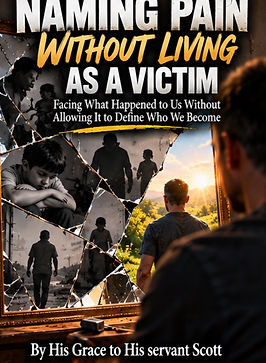
As we move deeper into Step Four, we begin discovering that not everything in our story started with something we did. Some things were done to us. Abuse, neglect, abandonment, betrayal, rejection, violence, and emotional absence can wound a person long before alcohol or drugs ever enter the picture. A searching and fearless moral inventory must certainly examine our choices, but our Life Portrait would be incomplete if we looked only at what we did and never acknowledged what happened to us. “The LORD is near to the brokenhearted And saves those who are crushed in spirit” (Psalm 34:18). God doesn’t ask us to pretend something didn’t hurt. He meets us in the truth of it.
For many of us, naming pain feels dangerous. Maybe nobody wanted to hear about it when we were young. Maybe showing emotion made things worse. Maybe we were told to toughen up, keep family business inside the family, or act like everything was fine. So we learned to survive without language for what was happening inside us. We couldn’t say, “I’m scared. I’m lonely. I feel rejected. I don’t feel safe. I’m angry. I’m hurting.” Eventually alcohol or drugs began saying it for us. The substance became anesthesia for pain we didn’t know how to express.
But anesthesia is not healing. Alcohol may temporarily quiet rejection. Drugs may temporarily silence fear. Getting high may make shame disappear for a few hours. But when the effect wears off, the wound remains—and now addiction has created additional wounds. What began as an attempt to escape pain eventually produces more pain, more broken relationships, more consequences, and more reasons to escape again. Step Four helps us finally slow that cycle down and ask, “What have I been trying so hard not to feel?”
Then we go deeper. Pain doesn’t only leave memories; it can leave beliefs. Abuse may whisper, “I’m dirty.” Abandonment may say, “Nobody stays.” Betrayal may say, “Never trust anyone.” Neglect may say, “I don’t matter.” Violence may say, “I’m never safe.” Those beliefs can quietly begin directing our lives. “Watch over your heart with all diligence, For from it flow the springs of life” (Proverbs 4:23). If I believe everyone will leave, I may sabotage relationships before they have the opportunity. If I believe nobody can be trusted, intimacy becomes threatening. If I believe I’m worthless, self-destruction begins making sense.
This is where Step Four requires tremendous honesty. We must separate what happened to us from what eventually began coming out of us. Someone else’s abuse was not our sin. Someone else’s abandonment was not our guilt. Someone else’s betrayal belongs to them. But if our wounds later produced manipulation, rage, dishonesty, addiction, abandonment, or harm toward others, those choices eventually became ours. Understanding the wound can explain behavior, but it cannot excuse behavior. We can say, “That happened to me and it was wrong,” while also saying, “This is what I later did, and I am responsible.”
That isn’t victim blaming. It is freedom. Acknowledging that we were victimized by something is not the same as building our identity around being a victim. We don’t have to minimize what happened by saying, “It wasn’t that bad,” or, “Other people had it worse.” But neither do we have to give yesterday permanent authority over tomorrow. The wound may explain a chapter of our story. It doesn’t get to write the entire book.
Jesus understands wounded people. Isaiah said of Him, “He has sent Me to bind up the brokenhearted” (Isaiah 61:1). Notice the language: broken hearts are not discarded; they are bound up. Step Four isn’t asking us to rip open every wound and stare at it. We invite Jesus into what hurts. We don’t merely bring the memory into our mind; we bring Christ into the memory. We begin allowing His truth to confront the lies that pain taught us.
And we go slowly. Fearless does not mean reckless. We don’t force memories, manufacture trauma, or emotionally overwhelm ourselves trying to prove we are serious about recovery. David prayed, “Search me, God, and know my heart; Put me to the test and know my anxious thoughts” (Psalm 139:23). We allow God to reveal what needs attention, and some areas may need to be processed with a trusted sponsor, mature believer, counselor, or other safe person.
Eventually the question begins changing. We stop asking only, “What happened to me?” and begin asking, “What does God want to do in me now?” Scripture says, “He heals the brokenhearted And binds up their wounds” (Psalm 147:3). Healing does not erase history. It changes history’s authority over our present.
Our wounds are part of our story, but they are not our identity. “If anyone is in Christ, this person is a new creation” (2 Corinthians 5:17). We can name the pain. We can grieve what was lost. We can identify the lies it taught us. We can own the choices that later became ours. And then we can surrender all of it to Jesus.
We are not denying that we were wounded. We are declaring that the wound will no longer decide who we become. Step Four is not teaching us how to live better as victims of our past. It is helping us bring the past into the light so Christ can teach us how to walk forward in freedom.
By His Grace to His servant Scott
Recent Devotionals

Nombrar El Dolor Sin Vivir Como Víctima
Enfrentando lo que nos sucedió sin permitir que defina quiénes llegaremos a ser
A medida que profundizamos en el Paso Cuatro, comenzamos a descubrir que no todo en nuestra historia comenzó con algo que nosotros hicimos. Algunas cosas nos las hicieron a nosotros. El abuso, la negligencia, el abandono, la traición, el rechazo, la violencia y la ausencia emocional pueden herir a una persona mucho antes de que el alcohol o las drogas entren en escena. Un inventario moral minucioso y sin temor ciertamente debe examinar nuestras decisiones, pero nuestro Retrato de Vida estaría incompleto si solamente miráramos lo que hicimos y nunca reconociéramos lo que nos sucedió. “El SEÑOR está cerca de los quebrantados de corazón, Y salva a los abatidos de espíritu” (Salmo 34:18). Dios no nos pide que finjamos que algo no nos dolió. Él viene a nuestro encuentro en medio de la verdad de ese dolor.
Para muchos de nosotros, ponerle nombre al dolor se siente peligroso. Quizás nadie quería escucharlo cuando éramos niños. Tal vez mostrar emociones empeoraba las cosas. Quizás nos dijeron que fuéramos fuertes, que los asuntos de la familia se quedaban dentro de la familia o que actuáramos como si todo estuviera bien. Así que aprendimos a sobrevivir sin tener palabras para expresar lo que estaba sucediendo dentro de nosotros. No podíamos decir: “Tengo miedo. Estoy solo. Me siento rechazado. No me siento seguro. Estoy enojado. Estoy herido”. Con el tiempo, el alcohol o las drogas comenzaron a decirlo por nosotros. La sustancia se convirtió en anestesia para un dolor que no sabíamos cómo expresar.
Pero la anestesia no es sanidad. El alcohol puede silenciar temporalmente el rechazo. Las drogas pueden callar temporalmente el miedo. Estar bajo sus efectos puede hacer desaparecer la vergüenza durante unas horas. Pero cuando el efecto termina, la herida permanece, y ahora la adicción ha creado heridas adicionales. Lo que comenzó como un intento de escapar del dolor termina produciendo más dolor, más relaciones quebrantadas, más consecuencias y más razones para volver a escapar. El Paso Cuatro nos ayuda finalmente a disminuir la velocidad de ese ciclo y preguntar: “¿Qué he estado tratando tan desesperadamente de no sentir?”
Entonces profundizamos más. El dolor no solamente deja recuerdos; también puede dejar creencias. El abuso puede susurrar: “Estoy sucio”. El abandono puede decir: “Nadie se queda”. La traición puede decir: “Nunca confíes en nadie”. La negligencia puede decir: “No importo”. La violencia puede decir: “Nunca estoy seguro”. Esas creencias pueden comenzar silenciosamente a dirigir nuestra vida. “Con toda diligencia guarda tu corazón, Porque de él brotan los manantiales de la vida” (Proverbios 4:23). Si creo que todos me abandonarán, puedo sabotear las relaciones antes de darles la oportunidad de hacerlo. Si creo que nadie es digno de confianza, la intimidad se vuelve amenazante. Si creo que no tengo valor, la autodestrucción comienza a tener sentido.
Aquí es donde el Paso Cuatro requiere una tremenda honestidad. Debemos separar lo que nos sucedió de lo que finalmente comenzó a salir de nosotros. El abuso de otra persona no fue nuestro pecado. El abandono de otra persona no fue nuestra culpa. La traición de otra persona le pertenece a ella. Pero si nuestras heridas posteriormente produjeron manipulación, ira, deshonestidad, adicción, abandono o daño hacia otros, esas decisiones finalmente se convirtieron en nuestras. Comprender la herida puede explicar el comportamiento, pero no puede justificarlo. Podemos decir: “Eso me sucedió y estuvo mal”, mientras también decimos: “Esto es lo que yo hice después, y soy responsable”.
Eso no significa culpar a la víctima. Significa libertad. Reconocer que fuimos víctimas de algo no es lo mismo que construir nuestra identidad alrededor de ser una víctima. No tenemos que minimizar lo sucedido diciendo: “No fue para tanto”, o: “Otros lo tuvieron peor”. Pero tampoco tenemos que darle al ayer autoridad permanente sobre el mañana. La herida puede explicar un capítulo de nuestra historia. No tiene derecho a escribir todo el libro.
Jesús comprende a las personas heridas. Isaías dijo acerca de Él: “Me ha enviado para vendar a los quebrantados de corazón” (Isaías 61:1). Observa ese lenguaje: los corazones quebrantados no son desechados; son vendados. El Paso Cuatro no nos está pidiendo que abramos violentamente cada herida y nos quedemos contemplándola. Invitamos a Jesús a entrar en aquello que duele. No solamente traemos el recuerdo a nuestra mente; traemos a Cristo dentro del recuerdo. Comenzamos a permitir que Su verdad confronte las mentiras que el dolor nos enseñó.
Y avanzamos lentamente. No tener temor no significa ser imprudentes. No forzamos recuerdos, no fabricamos traumas ni nos abrumamos emocionalmente intentando demostrar que estamos tomando la recuperación en serio. David oró: “Examíname, oh Dios, y conoce mi corazón; Pruébame y conoce mis inquietudes” (Salmo 139:23). Permitimos que Dios revele aquello que necesita atención, y algunas áreas quizás necesiten ser procesadas con un patrocinador de confianza, un creyente maduro, un consejero u otra persona segura.
Con el tiempo, la pregunta comienza a cambiar. Dejamos de preguntar solamente: “¿Qué me sucedió?” y comenzamos a preguntar: “¿Qué quiere hacer Dios en mí ahora?” La Escritura dice: “Él sana a los quebrantados de corazón, Y venda sus heridas” (Salmo 147:3). La sanidad no borra la historia. Cambia la autoridad que esa historia tiene sobre nuestro presente.
Nuestras heridas forman parte de nuestra historia, pero no son nuestra identidad. “Si alguno está en Cristo, nueva criatura es” (2 Corintios 5:17). Podemos nombrar el dolor. Podemos lamentar lo que perdimos. Podemos identificar las mentiras que nos enseñó. Podemos asumir responsabilidad por las decisiones que posteriormente llegaron a ser nuestras. Y entonces podemos rendir todo eso a Jesús.
No estamos negando que fuimos heridos. Estamos declarando que la herida ya no decidirá quiénes llegaremos a ser. El Paso Cuatro no nos está enseñando a vivir mejor como víctimas de nuestro pasado. Nos está ayudando a traer el pasado a la luz para que Cristo pueda enseñarnos a caminar hacia adelante en libertad.
Por Su Gracia a Su siervo Scott
说出伤痛,却不活在受害者的身份里
面对发生在我们身上的事,却不让它决定我们将成为谁
当我们更深入地进入第四步时,我们开始发现,生命故事中的一切并不都是从我们自己的错误选择开始的。有些事情,是别人对我们做的。虐待、忽视、遗弃、背叛、拒绝、暴力以及长期的情感缺失,都可能在酒精或毒品进入我们生命以前,就已经深深伤害了我们的心。一次彻底而无所畏惧的道德检讨当然必须察看我们自己的选择,但如果我们的“生命画像”只记录我们做过什么,却从不承认别人曾经对我们做过什么,那么这幅画像就是不完整的。“耶和华靠近伤心的人,拯救灵性痛悔的人。”(诗篇 34:18)神没有要求我们假装那些事情没有伤害我们。祂要在伤痛的真相中与我们相遇。
对许多人来说,把伤痛说出来本身就是一件令人害怕的事。也许小时候根本没有人愿意听。也许表达情绪只会让情况变得更糟。也许有人告诉我们要坚强、家里的事情不能告诉别人,或者无论发生什么,都必须装作一切正常。于是,我们学会了在没有语言表达内心感受的情况下生存。我们不会说:“我害怕。我很孤独。我感到被拒绝。我没有安全感。我很愤怒。我受伤了。”后来,酒精或毒品开始替我们“说话”。成瘾物质成为麻醉剂,用来麻醉那些我们不知道如何表达的痛苦。
但是,麻醉不是医治。酒精也许能暂时压下被拒绝的痛苦,毒品也许能暂时让恐惧安静下来,醉酒或吸毒后的感觉也许能让羞耻消失几个小时。但是,当药效过去以后,伤口仍然存在,而现在成瘾又制造出了更多新的伤口。原本为了逃避痛苦而开始的事情,最终带来更多痛苦、更多破裂的关系、更多后果,也给了我们更多想要再次逃避的理由。第四步帮助我们终于把这个循环慢下来,并开始问:“我一直这么拼命不想感觉到的,到底是什么?”
然后,我们必须继续深入。痛苦留下的不只是记忆,它还可能留下信念。虐待可能在我们里面低声说:“我是肮脏的。”遗弃可能告诉我们:“没有人会留下来。”背叛可能说:“永远不要相信任何人。”忽视可能说:“我不重要。”暴力可能说:“我永远都不安全。”这些信念会悄悄开始指挥我们的生活。“你要保守你心,胜过保守一切,因为生命的泉源由心发出。”(箴言 4:23)如果我相信每个人最终都会离开我,我可能会在别人有机会离开以前,先破坏这段关系。如果我相信任何人都不能信任,那么亲密关系就会变成威胁。如果我相信自己毫无价值,那么自我毁灭甚至会开始显得合理。
这正是第四步需要我们极度诚实的地方。我们必须分清楚:**什么事情发生在我们身上,以及后来什么东西开始从我们里面出来。**别人对我的虐待不是我的罪。别人对我的遗弃不是我的罪疚。别人的背叛属于他们。但是,如果后来我们的伤口开始产生操纵、暴怒、不诚实、成瘾、遗弃别人或伤害别人的行为,那么这些选择最终就成为我们自己的责任。理解伤口可以帮助解释我们的行为,却不能成为行为的借口。我们可以说:“那件事发生在我身上,那是错的。”同时也可以说:“这是我后来所做的事情,我必须为它负责。”
这不是责怪受害者。这是走向自由。承认自己曾经成为某件事情的受害者,与把“受害者”建立成永久身份完全不同。我们不需要淡化过去,说:“其实没有那么严重”,或者“别人经历得比我更糟”。但我们同样不需要把昨天永久的权柄交给明天。伤口也许能够解释我们生命故事中的一个章节,但它没有权力写完整本书。
耶稣明白受伤的人。以赛亚论到祂说:“祂差遣我医好伤心的人。”(以赛亚书 61:1)注意这里的意思:破碎的心不是被丢弃,而是被医治。第四步不是要求我们粗暴地撕开每一道伤口,然后一直盯着它。我们邀请耶稣进入那些疼痛的地方。我们不只是把记忆带进自己的思想里,**我们更要把基督带进那段记忆里。**我们开始允许祂的真理去挑战那些痛苦曾经教给我们的谎言。
而且,我们要慢慢来。无所畏惧并不意味着鲁莽。我们不强迫自己回忆,不制造创伤,也不需要为了证明自己认真对待康复,就让自己陷入情绪崩溃。大卫祷告说:“神啊,求你鉴察我,知道我的心思;试炼我,知道我的意念。”(诗篇 139:23)我们允许神显明现在需要处理的事情。有些领域可能需要与值得信任的辅导者、成熟的信徒、专业咨询人员或其他安全可靠的人一起面对。
渐渐地,我们的问题开始改变。我们不再只是问:**“我经历了什么?”而开始问:“神现在想要在我里面做什么?”**圣经说:“祂医好伤心的人,裹好他们的伤处。”(诗篇 147:3)医治并不会删除历史,却能够改变历史对我们今天所拥有的权柄。
我们的伤口是生命故事的一部分,但它不是我们的身份。“若有人在基督里,他就是新造的人。”(哥林多后书 5:17)我们可以说出痛苦,可以为失去的东西哀伤,可以辨认痛苦曾经教给我们的谎言,也可以为后来属于自己的选择承担责任。然后,我们可以把这一切完全交给耶稣。
我们不是否认自己曾经受伤。我们是在宣告:伤口不再决定我们将成为谁。第四步不是教导我们如何成为一个活得更好的过去受害者,而是帮助我们把过去带到光中,让基督教导我们怎样向前走,进入真正的自由。
因祂的恩典,赐给祂的仆人 Scott