June 24
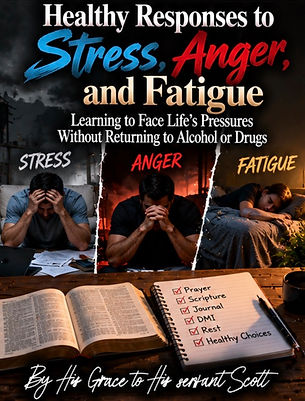
Healthy Responses to Stress, Anger, and Fatigue
Learning to Face Life’s Pressures Without Returning to Alcohol or Drugs

Stress, anger, and fatigue are three of the most common conditions that can threaten recovery from alcohol and drug addiction. They are not unusual experiences, but when ignored, they can become dangerous. Addiction taught us to escape pressure rather than manage it. When stressed, we drank. When angry, we used drugs. When exhausted, we looked for something to numb our feelings or give us temporary relief. Jesus offers a different response. “Come to Me, all who are weary and burdened, and I will give you rest” (Matthew 11:28). Recovery teaches us to bring life’s pressures to Christ instead of allowing them to drive us back into bondage.
As we complete the Christian Twelve Steps, we enter what I call Step Forever. This is not another numbered step. It is the lifelong practice of the principles God has taught us. Step Forever means recognizing that freedom requires daily attention. We cannot always control what happens around us, but through Christ, we can learn healthier ways to respond.
Consider a thirty-nine-year-old father recovering from alcoholism. His supervisor criticizes his work, his bills are overdue, and his children need attention when he arrives home. By evening, he feels overwhelmed. In the past, he would have stopped for alcohol to escape the pressure. Today, he recognizes what is happening. He calls his recovery mentor, takes a short walk, and honestly tells his wife that he needs a few minutes to settle down. His problems remain, but alcohol no longer has to be his solution.
Stress becomes dangerous when we believe everything must be handled immediately. We take on too many responsibilities, refuse help, and eventually become resentful. Ecclesiastes 4:6 reminds us, “One hand full of rest is better than two fists full of labor and striving after wind.” Sometimes wisdom means saying no, setting boundaries, asking for assistance, or accepting that some problems cannot be solved today.
Anger presents another challenge. A young woman recovering from methamphetamine addiction receives a hurtful message from a family member. Immediately, old feelings of rejection and resentment return. She wants to retaliate, isolate herself, and contact people from her former lifestyle. Instead, she puts down her phone, prays, and writes honestly about what she is feeling. Later, when she is calmer, she addresses the situation without attacking the other person.
Ephesians 4:26 instructs us, “Be angry, and yet do not sin; do not let the sun go down on your anger.” Anger itself does not require us to behave destructively. We can acknowledge it without allowing it to control our words, decisions, or relationships. Step Forever teaches us to recognize what lies beneath our anger. Sometimes it is fear, disappointment, embarrassment, or an unresolved wound that needs attention.
Fatigue is equally important. When we are exhausted, our patience decreases and our judgment can suffer. A recovering addict who neglects sleep, skips meals, and works constantly may eventually begin thinking about substances as a way to relax or keep going. Jesus understood the importance of rest. In Mark 6:31, He told His disciples, “Come away by yourselves to a secluded place and rest a little while.” Taking care of our physical needs is not selfish. It is part of responsible recovery.
Our morning quiet time with God helps us prepare for these pressures. Through prayer and Scripture, we invite the Holy Spirit to guide our attitudes before difficulties arise. Scripture memorization places God’s truth in our minds when emotions become intense. James 1:19 reminds us to be “quick to hear, slow to speak, and slow to anger.”
Journaling and our Daily Moral Inventory (DMI) help us examine how we handled the day’s challenges. What stressed me today? Did I respond to anger with resentment or wisdom? Have I been neglecting sleep or healthy boundaries? Did I experience cravings? What changes do I need to make tomorrow? These questions help us recognize patterns before they become another relapse.
Step Forever also means remaining connected to others. Sometimes the healthiest response is calling a mentor, attending a recovery meeting, seeking counseling, or asking a trusted friend to pray with us. We were never intended to carry every burden alone.
Tonight, ask yourself: Am I managing stress, processing anger, and respecting my need for rest, or am I allowing these pressures to accumulate? Do not confuse exhaustion with faithfulness or suppressed anger with spiritual maturity. Learn to recognize your limits, seek God’s wisdom, and take practical action. Step Forever means choosing healthy responses before old habits regain their influence. The freedom Christ has restored is worth protecting through every ordinary decision we make.
By His Grace to His servant Scott
Recent Devotionals
Comprendiendo Mis Desencadenantes Personales
Reconociendo lo que Despierta los Antiguos Deseos Antes de que Me Lleven de Regreso a la Adicción
Hubo un tiempo en que muchos de nosotros creíamos que nuestro consumo de alcohol o drogas simplemente sucedía. Culpábamos a un día difícil, una discusión, la soledad o alguna persona que nos había hecho enojar. Pero cuando comenzamos a examinar nuestras vidas con honestidad, descubrimos que las recaídas rara vez ocurrían sin advertencia. Ciertas personas, lugares, emociones y circunstancias despertaban antiguos deseos mucho antes de que volviéramos a buscar alcohol o drogas. Santiago 1:14 nos recuerda: “Sino que cada uno es tentado cuando es llevado y seducido por su propia pasión”. Comprender nuestros desencadenantes personales nos ayuda a reconocer la tentación antes de que se convierta en otra decisión destructiva.
Al completar los Doce Pasos Cristianos, entramos en lo que yo llamo Paso Para Siempre (Step Forever). Este no es otro paso numerado. Es la práctica de por vida de lo que Dios nos ha enseñado a través de la recuperación. Paso Para Siempre significa continuar examinándonos, reconocer nuestras vulnerabilidades y depender de Jesucristo. No dejamos de necesitar sabiduría simplemente porque hayamos acumulado meses o años de sobriedad.
Considera a un hombre de treinta y seis años que se está recuperando del alcoholismo. Cada viernes por la tarde comienza a sentirse inquieto. Durante años, los viernes significaban recibir su salario, beber con sus amigos y escapar de sus responsabilidades. Aunque ha dejado de beber, su mente todavía relaciona las noches de los viernes con el alcohol. Se da cuenta de que comienza a irritarse y a pensar en sus antiguos compañeros de bebida. En lugar de ignorar ese patrón, programa una reunión de recuperación, pasa tiempo con amigos que ejercen una influencia saludable y hace planes con su familia. Ha aprendido que conocer su desencadenante le brinda la oportunidad de responder de una manera diferente.
Una joven que se está recuperando de la adicción a la metanfetamina puede tener desencadenantes completamente distintos. El rechazo le recuerda experiencias dolorosas de su infancia. Cuando alguien la critica, se siente sin valor y comienza a desear el escape temporal que las drogas antes le proporcionaban. Su desencadenante no es simplemente la crítica. Es la herida emocional y la antigua creencia de que no puede enfrentar el rechazo sin escapar. Reconocer este patrón le permite presentar esos sentimientos delante de Dios y buscar apoyo, en lugar de regresar a las drogas.
Proverbios 4:23 enseña: “Con toda diligencia guarda tu corazón, porque de él brotan los manantiales de la vida”. Los desencadenantes muchas veces comienzan con un acontecimiento, despiertan una emoción, producen un pensamiento y finalmente generan un deseo. Una conversación estresante puede provocar enojo. El enojo puede producir resentimiento. El resentimiento puede despertar el pensamiento: Merezco algo que me haga sentir mejor. Reconocer esa progresión nos brinda la oportunidad de interrumpirla antes de que el deseo se convierta en una acción.
Nuestro tiempo de quietud con Dios por la mañana nos ayuda a prepararnos para esos momentos. Pedimos al Espíritu Santo que nos revele las áreas donde todavía somos vulnerables. Escribir en nuestro diario personal nos ayuda a identificar patrones recurrentes: ciertas relaciones, la soledad durante la noche, las presiones económicas, las celebraciones, el agotamiento o los conflictos no resueltos. Comenzamos a preguntarnos no solamente: ¿Qué sucedió?, sino también: ¿Qué sucedió dentro de mí cuando ocurrió?
Nuestro Inventario Moral Diario (DMI) nos ayuda a examinar esas reacciones con honestidad. ¿Qué perturbó mi paz hoy? ¿Cómo respondí? ¿Me puse a la defensiva, guardé resentimiento, sentí temor o fui deshonesto? ¿Comencé a pensar en beber o consumir drogas? ¿Qué podría hacer de manera diferente la próxima vez? Estas preguntas no tienen el propósito de condenarnos. Nos ayudan a reconocer dónde podemos necesitar mayor sanidad, límites saludables o apoyo.
Jesús les dijo a Sus discípulos: “Velen y oren para que no entren en tentación” (Mateo 26:41). Experimentar un desencadenante no significa que hayamos fracasado espiritualmente. Ser tentados no es lo mismo que rendirse a la tentación. Podemos reconocer nuestra vulnerabilidad sin vergüenza y actuar con sabiduría antes de que los antiguos hábitos vuelvan a tomar el control.
La memorización de las Escrituras fortalece nuestra respuesta. Primera de Corintios 10:13 nos recuerda que “Dios es fiel” y que Él proporciona una manera de resistir la tentación. Algunas veces, esa salida implica abandonar un ambiente peligroso, llamar a nuestro mentor, asistir a una reunión o hablar honestamente con un consejero. Nunca debemos confundir la búsqueda de ayuda con la debilidad.
Paso Para Siempre nos enseña que algunos desencadenantes deben evitarse, mientras que otros deben enfrentarse con una madurez creciente. Quizás necesitemos mantenernos alejados de los ambientes donde antes consumíamos drogas, pero no podemos evitar todas las decepciones, discusiones o emociones dolorosas. Por medio de Cristo, podemos aprender respuestas más saludables, en lugar de regresar a las sustancias para encontrar alivio.
Hoy, pregúntate: ¿Qué personas, lugares, emociones o situaciones me han provocado deseos de consumir en el pasado? ¿Qué pensamientos suelen aparecer después y cómo puedo prepararme de manera diferente? No esperes hasta que la tentación se vuelva abrumadora. Trae tus vulnerabilidades a la luz, desarrolla un plan con personas de confianza y permanece cerca de Jesús. Paso Para Siempre significa aprender a reconocer los antiguos caminos antes de volver a recorrerlos. La libertad se fortalece cuando la sabiduría guía nuestras decisiones y Cristo permanece como nuestra fuente de fortaleza.
Por Su Gracia, a Su siervo Scott.
以健康的方式应对压力、愤怒与疲惫
学习面对生活中的压力,而不再回到酒精或毒品之中
压力、愤怒和疲惫,是最常见的三种可能威胁酒精与毒品成瘾康复的状况。这些都是生活中正常的经历,但如果我们选择忽略它们,就可能变得十分危险。成瘾曾经教导我们逃避压力,而不是学习如何处理压力。当我们感到压力时,就去喝酒;当我们生气时,就去吸毒;当我们筋疲力尽时,就寻找某种东西来麻痹自己的感受,或者获得暂时的解脱。然而,耶稣为我们提供了另一种回应方式。祂说:“凡劳苦担重担的人可以到我这里来,我就使你们得安息”(马太福音 11:28)。康复教导我们把生活中的压力带到基督面前,而不是任由这些压力把我们重新拖回成瘾的捆绑之中。
当我们完成基督教十二步骤时,就进入了我所称的 “永远的一步”(Step Forever)。这并不是另外增加的一个编号步骤,而是我们终其一生持续实践神所教导的原则。“永远的一步”意味着,我们必须认识到,自由需要每天用心守护。我们不一定能够控制周围发生的事情,但借着基督,我们能够学习以更健康的方式作出回应。
想象一位三十九岁的父亲,正在从酒精成瘾中康复。他的主管批评他的工作表现,家里还有逾期未付的账单,而当他回到家时,孩子们又需要他的关注。到了晚上,他感到不堪重负。过去,他可能会停下来买酒,借此逃避压力。但今天,他认出了自己正在经历的情绪。他打电话给康复导师,出去散步一会儿,并诚实地告诉妻子,自己需要几分钟平静下来。他的问题仍然存在,但酒精已经不必再成为他的解决办法。
当我们认为所有事情都必须立刻处理时,压力就会变得危险。我们承担太多责任,拒绝别人的帮助,最终开始心怀怨恨。传道书 4:6 提醒我们:“满了一把,得享安静,强如满了两把,劳碌捕风。”有时候,智慧意味着学会说“不”,设立健康的界限,主动寻求帮助,或者接受某些问题今天无法解决的事实。
愤怒则带来另一种挑战。一位正在从甲基苯丙胺(冰毒)成瘾中康复的年轻女子,收到家人发来的一条伤人的信息。过去那些被拒绝和心怀怨恨的感受立刻涌上心头。她想要愤怒地反击、孤立自己,甚至联系过去生活圈子里的人。然而,这一次,她放下手机,开始祷告,并诚实地把自己的感受写在日记里。后来,当情绪平静下来时,她才去处理这件事情,而不是攻击对方。
以弗所书 4:26 教导我们:“生气却不要犯罪;不可含怒到日落。”感到愤怒,并不意味着我们必须作出破坏性的行为。我们可以承认自己的愤怒,却不让它控制我们的言语、决定或人际关系。“永远的一步”教导我们认出隐藏在愤怒背后的真正原因。有时候,那可能是恐惧、失望、难堪,或者一个尚未得到医治的内心伤口。
疲惫同样值得我们认真关注。当我们筋疲力尽时,耐心会减少,判断力也可能受到影响。一个正在康复的人,如果长期忽略睡眠、不按时吃饭,并且不停地工作,最终可能开始想到利用酒精或毒品来放松自己,或者让自己继续撑下去。耶稣明白休息的重要性。在马可福音 6:31,祂对门徒说:“你们来,同我暗暗地到旷野地方去歇一歇。”照顾身体的基本需要并不是自私,而是负责任地维护康复生活的一部分。
每天早晨与神安静相处的灵修时间,能够帮助我们提前为这些压力做好准备。借着祷告和阅读圣经,我们邀请圣灵在困难出现之前,就引导我们的态度和决定。背诵圣经能够在情绪激动时,让神的真理及时浮现在我们的思想中。雅各书 1:19 提醒我们,应当“快快地听,慢慢地说,慢慢地动怒”。
写灵修日记和进行每日道德省察(DMI),能够帮助我们检查自己如何面对当天的挑战。今天什么事情使我感到压力?面对愤怒时,我是以怨恨回应,还是以智慧回应?我是否忽略了休息,或者没有维持健康的界限?我今天是否出现了想要喝酒或吸毒的渴望?明天我需要作出哪些改变?这些问题帮助我们在危险模式演变成另一次复发之前,就及时认出它们。
“永远的一步”也意味着,我们必须持续与别人保持健康的联系。有时候,最健康的回应就是打电话给导师、参加康复聚会、寻求辅导,或者请一位值得信任的朋友与我们一起祷告。神从来没有要我们独自承担所有的重担。
今晚,请问自己:我是否正在以健康的方式管理压力、处理愤怒,并尊重自己需要休息的事实?还是我一直任由这些压力不断累积?不要把筋疲力尽误认为忠心,也不要把压抑愤怒误认为属灵成熟。学习认出自己的限度,寻求神的智慧,并采取实际行动。“永远的一步”意味着,在过去的习惯重新影响我们之前,就选择健康的回应方式。基督已经为我们恢复的自由,值得我们通过日常生活中的每一个决定,认真地加以守护。
靠着祂的恩典,献给祂的仆人 Scott。