December 11
God in My Image?
Letting Christ Reshape Our Lives Instead of Reshaping His Truth
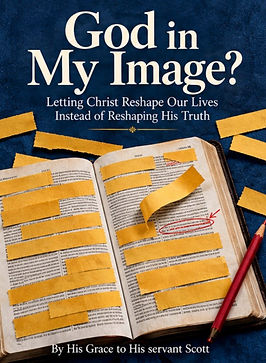
We can enter recovery wanting God to remove the consequences of alcohol and drugs without giving Him authority over the life beneath them. Help me, Lord, but do not challenge this relationship, this resentment, or this habit. Jesus asks, “Why do you call Me, ‘Lord, Lord,’ and do not do what I say?” (Luke 6:46). His question reaches beyond what we call Him into how we respond when His direction differs from our desires.
There are many ideas about recovery, and we must examine what we receive. It is selecting whatever allows us to keep doing what we already want. We can even use Christian language to protect self-will. We welcome grace but avoid repentance, claim freedom but reject accountability, and ask for restoration while refusing honesty. A collection of comforting ideas cannot replace a surrendered relationship with Jesus. Truth must be allowed to correct us, including when correction interrupts our plans.
Scripture says, “God created man in His own image” (Genesis 1:27). We reverse that order when we imagine a god who agrees with every preference and never confronts our choices. Instead of asking what God says, we decide what we want Him to say. During quiet time, read His Word with this prayer: Lord, show me where I am listening for Your voice and where I am only searching for permission.
Alcohol and drug addiction must be taken seriously. Its physical, emotional, and relational effects require real care. Yet Christ’s work does not end when substance use stops. He also addresses the dishonesty, fear, resentment, pride, and controlling habits that may accompany our addiction. Abstinence creates room for growth, but it does not automatically produce humility or love. We can stop drinking while continuing to manipulate others. We can leave drugs behind while keeping self at the center. Jesus calls the whole person into a new way of life.
“Do not be conformed to this world, but be transformed by the renewing of your mind” (Romans 12:2). Renewal means allowing God’s truth to change how we understand freedom, responsibility, and purpose. It reaches our money, relationships, private conduct, and responses to correction. In your journal, identify one area where you have wanted God’s blessing without welcoming His instruction. What would obedience look like there today? Write a specific action, not a general promise.
Jesus says, “If anyone wishes to come after Me, he must deny himself, and take up his cross daily and follow Me” (Luke 9:23). Memorize that invitation and notice the word daily. Following Christ is more than calling on Him during a crisis. It includes releasing our claim to have the final word. Denying ourselves does not mean despising ourselves or accepting abuse. It means refusing to make our desires the highest authority. The One who created us knows the difference between what we urgently want and what leads us toward faithful living.
Use your DMI, your Daily Moral Inventory, to examine selective surrender. Where did I excuse something Scripture confronts? Did I seek wise counsel or only agreement? Have I used spiritual words to avoid taking responsibility? Bring those answers to God honestly and discuss them with a trustworthy, mature believer. Helpful recovery support and appropriate professional care can serve this journey. They need not compete with faith. God’s Word remains our standard, and no counselor or leader is beyond examination by that truth.
God’s grace welcomes us without requiring us to pretend and it teaches us to live differently. Obedience does not purchase His love; it expresses our growing trust in Him. Tonight, return to the instruction you were tempted to explain away. Ask for strength, accept help, and take the next faithful step. We are not asking God to become a reflection of our preferences. We are yielding our lives so that they increasingly reflect Jesus Christ.
By His Grace to His servant Scott
Recent Devotionals

¿Dios a mi imagen?
Permitir que Cristo transforme nuestra vida en lugar de adaptar Su verdad
Podemos llegar a la recuperación deseando que Dios elimine las consecuencias del alcohol y las drogas, sin darle autoridad sobre la vida que hay detrás de ellas. Ayúdame, Señor, pero no cuestiones esta relación, este resentimiento ni este hábito. Jesús pregunta: “¿Por qué me llaman: ‘Señor, Señor’, y no hacen lo que Yo digo?” (Lucas 6:46). Su pregunta va más allá de cómo lo llamamos y llega a cómo respondemos cuando Su dirección es diferente de nuestros deseos.
Existen muchas ideas acerca de la recuperación, y debemos examinar lo que recibimos. El peligro está en escoger aquello que nos permite seguir haciendo lo que ya queremos hacer. Incluso podemos utilizar lenguaje cristiano para proteger nuestra propia voluntad. Recibimos la gracia, pero evitamos el arrepentimiento; reclamamos libertad, pero rechazamos rendir cuentas; pedimos restauración mientras nos negamos a ser honestos. Una colección de ideas reconfortantes no puede reemplazar una relación de rendición a Jesucristo. Debemos permitir que la verdad nos corrija, incluso cuando esa corrección interrumpe nuestros planes.
La Escritura dice: “Dios creó al hombre a imagen Suya” (Génesis 1:27). Invertimos ese orden cuando imaginamos un dios que está de acuerdo con cada preferencia y nunca confronta nuestras decisiones. En lugar de preguntar qué dice Dios, decidimos qué queremos que diga. Durante tu tiempo a solas con Él, lee Su Palabra con esta oración: Señor, muéstrame dónde estoy escuchando Tu voz y dónde solamente estoy buscando permiso.
La adicción al alcohol y las drogas debe tomarse en serio. Sus efectos físicos, emocionales y relacionales necesitan atención real. Sin embargo, la obra de Cristo no termina cuando dejamos de consumir. Él también trata con la deshonestidad, el temor, el resentimiento, el orgullo y los hábitos de control que pueden acompañar nuestra adicción. La abstinencia abre espacio para crecer, pero no produce automáticamente humildad ni amor. Podemos dejar de beber y seguir manipulando a otros. Podemos abandonar las drogas y mantener el yo en el centro. Jesús llama a la persona entera a una nueva manera de vivir.
“No se adapten a este mundo, sino transfórmense mediante la renovación de su mente” (Romanos 12:2). La renovación significa permitir que la verdad de Dios cambie nuestra manera de entender la libertad, la responsabilidad y el propósito. Alcanza nuestro dinero, nuestras relaciones, nuestra conducta privada y nuestras respuestas a la corrección. En tu diario, identifica un área donde has querido la bendición de Dios sin recibir Su instrucción. ¿Cómo se vería la obediencia allí hoy? Escribe una acción concreta, no una promesa general.
Jesús dice: “Si alguien quiere venir en pos de Mí, niéguese a sí mismo, tome su cruz cada día y sígame” (Lucas 9:23). Memoriza esa invitación y presta atención a las palabras cada día. Seguir a Cristo es más que acudir a Él durante una crisis. Incluye renunciar a nuestra pretensión de tener siempre la última palabra. Negarnos a nosotros mismos no significa despreciarnos ni aceptar el abuso. Significa dejar de convertir nuestros deseos en la máxima autoridad. Aquel que nos creó conoce la diferencia entre lo que queremos con urgencia y lo que nos conduce a una vida fiel.
Utiliza tu DMI, tu Inventario Moral Diario, para examinar tu rendición selectiva. ¿Dónde justifiqué algo que la Escritura confronta? ¿Busqué consejo sabio o solamente aprobación? ¿He utilizado palabras espirituales para evitar asumir responsabilidades? Lleva esas respuestas a Dios con honestidad y compártelas con un creyente maduro y digno de confianza. El apoyo adecuado para la recuperación y la atención profesional apropiada pueden contribuir a este proceso. No tienen por qué competir con la fe. La Palabra de Dios sigue siendo nuestra norma, y ningún consejero ni líder está exento de ser evaluado a la luz de esa verdad.
La gracia de Dios nos recibe sin exigir que finjamos y nos enseña a vivir de otra manera. La obediencia no compra Su amor; expresa nuestra creciente confianza en Él. Esta noche, vuelve a la instrucción que estuviste tentado a justificar para no obedecerla. Pide fortaleza, acepta ayuda y da el siguiente paso de fidelidad. No estamos pidiéndole a Dios que se convierta en un reflejo de nuestras preferencias. Estamos rindiendo nuestra vida para que refleje cada vez más a Jesucristo.
Por Su gracia a Su siervo Scott
照我的形象塑造神?
让基督重塑我们的生命,而不是修改祂的真理
我们可能带着这样的愿望进入康复:求神除去酒精和毒品造成的后果,却不愿把这些问题背后的生活交给祂掌管。主啊,请帮助我,但不要触碰这段关系、这份怨恨,或这个习惯。耶稣问:“你们为什么称呼我‘主啊,主啊’,却不遵行我所说的呢?”(路加福音6:46)。祂的问题不只关乎我们怎样称呼祂,更关乎当祂的引导与我们的愿望不同时,我们怎样回应。
关于康复,有许多不同的观念,我们需要察验自己所接受的内容。危险在于,我们只挑选那些允许自己继续随心所欲的说法。我们甚至可能用基督徒的语言来维护自己的意愿。我们欢迎恩典,却回避悔改;宣称自由,却拒绝接受监督;祈求恢复,却不愿诚实。一套令人舒服的观念,不能取代降服于耶稣基督的真实关系。我们必须允许真理纠正自己,即使这种纠正会打乱我们的计划。
圣经说:“神照着自己的形象创造人”(创世记1:27)。当我们想象出一个赞同自己所有喜好、从不挑战自己选择的神时,就把这个次序颠倒了。我们不再询问神说了什么,而是决定自己想让祂说什么。在安静亲近祂的时候,带着这样的祷告阅读圣经:主啊,求你显明,我在哪些地方真正聆听你的声音,又在哪些地方只是想得到许可。
酒精和毒品成瘾必须受到认真对待。它对身体、情绪和人际关系造成的影响,需要切实的照顾。然而,基督的工作不会在我们停止使用成瘾物质时就结束。祂也处理那些可能伴随成瘾而来的不诚实、恐惧、怨恨、骄傲,以及控制他人的习惯。戒除酒精和毒品为成长腾出空间,却不会自动产生谦卑和爱。我们可能停止饮酒,却继续操纵别人;也可能远离毒品,却仍然把自我放在中心。耶稣呼召的是整个人进入一种全新的生活方式。
“不要效法这个世界,反要借着心意的更新而改变”(罗马书12:2)。更新意味着允许神的真理改变我们对自由、责任和人生目的的理解。这会涉及我们的金钱、人际关系、私下的行为,以及面对纠正时的反应。在日记中,写下一个你想得到神的祝福,却不愿接受祂教导的领域。今天,在这件事上顺服祂,会是什么样子?请写下一个具体行动,而不是一个笼统的承诺。
耶稣说:“若有人愿意跟从我,就当舍己,天天背起他的十字架来跟从我”(路加福音9:23)。请背诵这个邀请,并留意“天天”这两个字。跟随基督,不只是遇到危机时向祂求助,也包括放下凡事都必须由自己作最后决定的坚持。舍己不意味着轻视自己,也不意味着接受虐待,而是不再把自己的欲望当作最高权威。创造我们的那一位,知道我们迫切想要的东西,与引导我们过忠心生活的事物之间,有什么区别。
运用你的DMI,也就是每日道德省察,察看自己是否只在某些方面愿意降服。我在哪里为圣经所指出的错误寻找借口?我寻求的是智慧的劝告,还是别人的赞同?我是否用属灵的话语逃避责任?诚实地把这些答案带到神面前,并与一位成熟、值得信任的信徒分享。合宜的康复支持和专业照护,都可以帮助我们走这段路。它们不必与信仰彼此竞争。神的话语始终是我们的准则,任何辅导者或领袖,都必须接受这真理的检验。
神的恩典接纳我们,不要求我们伪装,也教导我们活出不同的生命。顺服并不能换取祂的爱,而是表达我们对祂日益增长的信靠。今晚,重新面对那项你曾想找理由绕开的教导。求祂赐下力量,接受帮助,并迈出下一步忠心的行动。我们不是要求神成为我们喜好的反映,而是降服自己的生命,让它越来越彰显耶稣基督。
因祂的恩典,赐予祂的仆人 Scott