April 13
Distinguishing Guilt From Conviction
When God Corrects Us, He Leads Us Toward Freedom, Not Shame
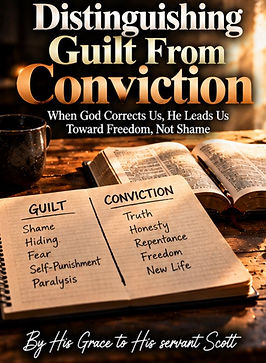
Recovery from alcohol and drug addiction requires learning the difference between guilt and conviction. For years, we lived under regret. We remembered the money we stole, the promises we broke, the lies we told, and the fear we brought into our homes. Sometimes that pain drove us back to substances. But Step Eight calls us to face the truth without becoming prisoners of shame. Scripture says, “For the sorrow that is according to the will of God produces a repentance without regret, leading to salvation, but the sorrow of the world produces death” (2 Corinthians 7:10).
Guilt can tell us, “You did something terrible, so you must be a terrible person.” Conviction tells us, “What you did was wrong. Bring it into the light, turn from it, and walk with Christ.” One traps us in ourselves; the other directs us toward God and those we harmed. Conviction names sin while reminding us forgiveness and change are possible. David wrote, “As far as the east is from the west, So far has He removed our wrongdoings from us” (Psalm 103:12). We need not wear chains He calls us to surrender.
Consider a father who missed his daughter’s birthday because he was drinking. Shame tells him he has ruined everything and will never be a good father. Conviction tells him to acknowledge the broken promise, understand his daughter’s disappointment, and become a man whose actions match his words. He cannot recover that day or demand her trust. But he can show up tomorrow, remain sober, listen, and keep showing up. That is the difference between punishing ourselves and allowing God to change us.
Addiction trained us to escape discomfort immediately. We drank to silence thoughts, used drugs to numb pain, and lied to avoid consequences. That same impulse can follow us into recovery. We may rush to apologize because we want someone to say, “It’s okay,” so our guilt will disappear. But Step Eight is about becoming willing to make amends, not forcing another person to soothe our conscience. An apology should serve the person we harmed, not become another way to get what we want.
James describes heavenly wisdom as “first pure, then peace-loving, gentle, reasonable, full of mercy and good fruits” (James 3:17). Conviction grows in that kind of wisdom. It gives us patience to seek counsel, respect boundaries, and consider whether approaching someone now might reopen wounds. Guilt screams, “Fix this today so you can feel better!” Conviction asks, “Lord, what is right for them, and how can I obey You with love?” Scripture says, “All that you do must be done in love” (1 Corinthians 16:14).
This does not mean genuine remorse feels comfortable. We may weep over the damage we caused. We may repay debts, admit lies, or accept relationships may not be restored. Yet tears are not payment, and self-hatred is not repentance. Romans 8:1 declares, “Therefore there is now no condemnation at all for those who are in Christ Jesus.” We can accept responsibility without agreeing with the lie that we are beyond redemption.
This morning, ask God to examine your motives. David prayed, “Search me, God, and know my heart” (Psalm 139:23). Are you preparing to make things right because you care about the person you hurt, or because you cannot stand feeling guilty? Are you willing to listen without defending yourself? Are you willing to change even if forgiveness does not come quickly? These questions prepare a heart that loves without controlling outcomes.
Step Eight teaches us to carry responsibility, not condemnation. Let guilt stop driving you into hiding. Welcome the conviction that leads to confession, humility, wise action, and real change. The Holy Spirit does not expose our darkness to leave us there. He brings truth into the light so we can walk differently. The goal is not to feel worse about yesterday. It is to become faithful today and tomorrow.
By His Grace to His servant Scott
Recent Devotionals

Distinguiendo Entre la Culpa y la Convicción de Pecado
Cuando Dios Nos Corrige, Nos Guía Hacia la Libertad, No Hacia la Vergüenza
La recuperación de la adicción al alcohol y las drogas requiere aprender a distinguir entre la culpa y la convicción de pecado que produce el Espíritu Santo. Durante años vivimos bajo el peso del remordimiento. Recordábamos el dinero que robamos, las promesas que rompimos, las mentiras que dijimos y el temor que provocamos en nuestros hogares. Algunas veces, ese dolor nos llevaba nuevamente al consumo de sustancias. Pero el Octavo Paso nos llama a enfrentar la verdad sin convertirnos en prisioneros de la vergüenza. La Escritura dice: “Porque la tristeza que es conforme a la voluntad de Dios produce un arrepentimiento que conduce a la salvación, sin dejar pesar; pero la tristeza del mundo produce muerte” (2 Corintios 7:10).
La culpa puede decirnos: “Hiciste algo terrible, por lo tanto, debes ser una persona terrible”. La convicción de pecado nos dice: “Lo que hiciste estuvo mal. Tráelo a la luz, apártate de ello y camina con Cristo”. Una nos mantiene atrapados en nosotros mismos; la otra dirige nuestra atención hacia Dios y hacia las personas que lastimamos. La convicción identifica el pecado mientras nos recuerda que el perdón y el cambio son posibles. David escribió: “Como está de lejos el oriente del occidente, así alejó de nosotros nuestras transgresiones” (Salmo 103:12). No necesitamos seguir llevando las cadenas que Él nos llama a entregar.
Considera a un padre que se perdió el cumpleaños de su hija porque estaba bebiendo. La vergüenza le dice que lo ha arruinado todo y que nunca será un buen padre. La convicción de pecado le dice que reconozca la promesa incumplida, comprenda la decepción de su hija y se convierta en un hombre cuyas acciones estén de acuerdo con sus palabras. No puede recuperar aquel día ni exigir que su hija vuelva a confiar en él. Pero puede estar presente mañana, mantenerse sobrio, escuchar y continuar demostrando con sus acciones que ha cambiado. Esa es la diferencia entre castigarnos a nosotros mismos y permitir que Dios nos transforme.
La adicción nos entrenó para escapar inmediatamente de cualquier incomodidad. Bebíamos para silenciar nuestros pensamientos, consumíamos drogas para adormecer el dolor y mentíamos para evitar las consecuencias. Ese mismo impulso puede acompañarnos durante la recuperación. Podemos apresurarnos a pedir perdón porque queremos que alguien nos diga: “Está bien”, para que nuestra culpa desaparezca. Pero el Octavo Paso consiste en llegar a estar dispuestos a reparar el daño, no en obligar a otra persona a tranquilizar nuestra conciencia. Una disculpa debe beneficiar a la persona que lastimamos, no convertirse en otra manera de conseguir lo que queremos.
Santiago describe la sabiduría que viene de lo alto como “primeramente pura, después pacífica, amable, condescendiente, llena de misericordia y de buenos frutos” (Santiago 3:17). La convicción de pecado crece acompañada de esa clase de sabiduría. Nos da paciencia para buscar consejo, respetar los límites de los demás y considerar si acercarnos a alguien en este momento podría reabrir sus heridas. La culpa grita: “¡Arregla esto hoy para que puedas sentirte mejor!”. La convicción pregunta: “Señor, ¿qué es lo correcto para esa persona y cómo puedo obedecerte con amor?”. La Escritura dice: “Todas vuestras cosas sean hechas con amor” (1 Corintios 16:14).
Esto no significa que el remordimiento genuino sea cómodo. Podemos llorar por el daño que causamos. Tal vez tengamos que pagar deudas, admitir mentiras o aceptar que algunas relaciones posiblemente nunca serán restauradas. Sin embargo, las lágrimas no son una forma de pago, y odiarnos a nosotros mismos no es arrepentimiento. Romanos 8:1 declara: “Por tanto, ahora no hay condenación para los que están en Cristo Jesús”. Podemos aceptar nuestra responsabilidad sin creer la mentira de que estamos más allá de toda redención.
Esta mañana, pídele a Dios que examine tus motivaciones. David oró: “Escudríñame, oh Dios, y conoce mi corazón” (Salmo 139:23). ¿Te estás preparando para reparar el daño porque verdaderamente te importa la persona que lastimaste, o porque no soportas sentirte culpable? ¿Estás dispuesto a escuchar sin defenderte? ¿Estás dispuesto a cambiar aunque el perdón no llegue rápidamente? Estas preguntas preparan un corazón que ama sin intentar controlar los resultados.
El Octavo Paso nos enseña a llevar nuestra responsabilidad, no a vivir bajo condenación. Deja de permitir que la culpa te siga empujando a esconderte. Recibe la convicción de pecado que conduce a la confesión, la humildad, las decisiones sabias y el cambio verdadero. El Espíritu Santo no expone nuestra oscuridad para dejarnos allí. Él trae la verdad a la luz para que podamos caminar de una manera diferente. El propósito no es sentirnos peor por lo que hicimos ayer. Es convertirnos en personas fieles hoy y mañana.
Por Su Gracia, a Su siervo Scott.
分辨罪疚感与圣灵的责备
当神纠正我们时,祂引领我们走向自由,而不是羞耻
从酒精和毒品成瘾中康复,需要我们学会分辨罪疚感与圣灵使人知罪的责备。多年以来,我们一直背负着懊悔的重担。我们记得自己偷走的钱、违背的承诺、说过的谎言,以及带给家庭的恐惧。有时候,这些痛苦甚至使我们再次转向酒精或毒品,试图逃避内心的煎熬。但是,第八步呼召我们勇敢面对真相,而不是成为羞耻的囚犯。圣经说:“因为依着神的意思忧愁,就生出没有后悔的懊悔来,以致得救;但世俗的忧愁是叫人死。”(哥林多后书 7:10)
罪疚感可能对我们说:“你做了如此可怕的事情,所以你一定是一个可怕的人。”然而,圣灵的责备会告诉我们:“你所做的事情是错的。把它带到光中,离弃这些罪,并且与基督同行。”前者使我们被困在自我定罪之中,后者却引导我们转向神,也转向那些曾经被我们伤害的人。圣灵的责备指出我们的罪,同时提醒我们,饶恕与改变仍然是可能的。大卫写道:“东离西有多远,他叫我们的过犯离我们也有多远。”(诗篇 103:12)我们不需要继续背负那些神呼召我们交托给祂的锁链。
想想一位父亲,因为喝酒而错过了女儿的生日。羞耻告诉他,他已经毁掉了一切,永远不可能成为一个好父亲。但圣灵的责备会引导他承认自己没有兑现承诺,理解女儿所经历的失望,并且成为一个言行一致的人。他无法重新找回已经错过的那一天,也不能要求女儿立刻重新信任他。但是,他可以从明天开始真正陪伴她,保持清醒,认真倾听,并且持续用行动证明自己的改变。这就是惩罚自己与允许神改变我们之间的区别。
成瘾曾经训练我们,只要感到不舒服,就立刻寻找逃避的方法。我们喝酒来压制内心的思绪,吸毒来麻痹痛苦,撒谎来逃避后果。即使进入康复阶段,这种冲动仍然可能跟随着我们。我们可能急着向别人道歉,只是希望听到对方说一句“没关系”,好让自己的罪疚感立刻消失。但是,第八步的目的,是让我们真正愿意弥补所造成的伤害,而不是强迫别人来安抚我们的良心。道歉应该是为了受伤之人的益处,而不是成为另一种满足自己需要的方式。
雅各将从上头来的智慧描述为:“先是清洁,后是和平,温良柔顺,满有怜悯,多结善果。”(雅各书 3:17)圣灵的责备会引导我们活出这样的智慧。它使我们有耐心寻求辅导,尊重别人的界限,并认真考虑现在接近某个人是否可能再次揭开他的伤口。罪疚感会催促我们:“今天就把事情解决,这样你就能舒服一点!”但圣灵的责备会使我们祷告:“主啊,什么才是真正对那个人有益的?我怎样才能以爱心顺服祢?”圣经说:“凡你们所做的都要凭爱心而做。”(哥林多前书 16:14)
这并不意味着真正的懊悔不会使我们难受。我们可能因自己造成的伤害而流泪。我们可能需要偿还债务、承认谎言,或者接受某些关系可能永远无法恢复的事实。然而,眼泪并不能代替赔偿,自我憎恨也不等于悔改。罗马书 8:1 宣告:“如今,那些在基督耶稣里的就不定罪了。”我们可以承担自己的责任,却不必相信自己已经无可救赎的谎言。
今天早晨,求神鉴察你的动机。大卫祷告说:“神啊,求你鉴察我,知道我的心思。”(诗篇 139:23)你准备弥补过错,是因为真正关心那个被你伤害的人,还是因为你无法忍受内心的罪疚感?你是否愿意倾听,而不急于为自己辩护?即使对方没有很快原谅你,你是否仍然愿意改变?这些问题能够帮助我们预备一颗真正懂得爱人的心,而不是一颗总想控制结果的心。
第八步教导我们承担责任,而不是背负定罪。 不要再让罪疚感驱使你躲藏和逃避。要愿意接受圣灵的责备,因为祂的责备会引导我们认罪、谦卑、作出有智慧的决定,并且经历真正的改变。圣灵揭露我们生命中的黑暗,并不是为了把我们留在黑暗里。祂将真理带进光中,使我们能够走上一条不同的道路。
神的目的不是让我们因为昨天所做的事情而更加痛苦,而是要使我们在今天和明天成为忠心、诚实、不断成长的人。
靠着祂的恩典,献给祂的仆人 Scott。