December 10
Cutting Corners, Keeping Control
When Doing It My Way Keeps Me from Growing God’s Way
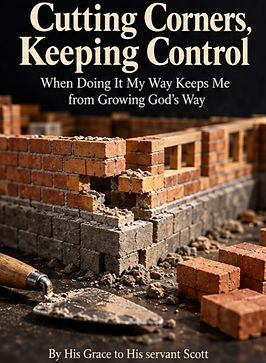
A shortcut can look like a smart idea until we notice what it allows us to avoid. In recovery from alcohol and drug addiction, we may search for another way whenever honesty becomes uncomfortable, discipline feels demanding, or someone challenges our thinking. We want the freedom, but we want to negotiate the process. We rush the inventory, skip the conversation, or decide accountability is unnecessary. The question is not simply whether our way is easier. It is whether our way protects the very pattern God is calling us to surrender.
“There is a way which seems right to a man, but its end is the way of death” (Proverbs 14:12). Addiction gave many of us practice at explaining why our next decision would work despite the evidence behind us. We promised ourselves we could manage the drinking, control the drugs, or repair the damage later. Recovery calls us to examine that same reasoning when it appears in a different form. Sometimes the strongest argument for our shortcut is simply that we do not want to be told no.
What helps us grow often touches what needs to change. Honesty confronts deception. Consistency challenges impulsiveness. Accountability interrupts secrecy. Receiving correction exposes pride. These practices may feel uncomfortable because they require responses we have not yet learned to give. During quiet time, ask God to show you the difference between something harmful and something humbling. We need grace to remain teachable when obedience reaches the place we would rather keep untouched.
“The way of a fool is right in his own eyes, but a wise man is he who listens to counsel” (Proverbs 12:15). Listening means more than staying quiet until we can defend ourselves. It means considering that someone else may see what we keep overlooking. In your journal, name one instruction you have been resisting. Then ask: What am I afraid will happen if I follow through? Will I have to admit something, wait for something, or stop controlling something?
Surrender must become more than agreement with a spiritual idea. “But prove yourselves doers of the word, and not merely hearers who delude themselves” (James 1:22). We practice surrender by completing the inventory truthfully, keeping our commitments, and receiving sound correction without immediately searching for an exception. God is interested in the person we are becoming through these actions, not merely the requirements we can mark complete.
Powerlessness is a truth we continue applying as new areas come into the light. We first recognize that determination alone cannot control our addiction. Later, we discover the limits of self-reliance in anger, relationships, money, and approval. Jesus says, “Apart from Me you can do nothing” (John 15:5). Memorize those words as an invitation to dependence, not an excuse for inaction. We still choose, work, and take responsibility, but we stop pretending that we can produce lasting spiritual fruit independently of Him.
Use your DMI, your Daily Moral Inventory, to notice where bargaining has returned. Where did I avoid truth? What commitment did I minimize? Did I seek counsel or merely seek agreement? Bring those answers into prayer and discuss them with a trusted support person. God’s Word remains the standard: human advice can be mistaken, and healthy questions are welcome. A different method can be wise when it strengthens honesty and responsibility. It becomes a problem when its purpose is to escape them.
Recovery reaches beyond staying away from alcohol and drugs. We are learning to become fully devoted followers of Jesus Christ. Tonight, write one step of obedience you have been trying to skip, and make a plan to take it with support. We cannot keep protecting the patterns we are asking God to change. The next step toward freedom may be the very step we have been trying to avoid. His grace sustains you.
By His Grace to His servant Scott
Recent Devotionals

Buscando atajos, manteniendo el control
Cuando hacerlo a mi manera me impide crecer a la manera de Dios
Un atajo puede parecer una buena idea hasta que reconocemos lo que nos permite evitar. En la recuperación de la adicción al alcohol y las drogas, podemos buscar otra manera de hacer las cosas cada vez que la honestidad nos incomoda, la disciplina nos exige esfuerzo o alguien cuestiona nuestra forma de pensar. Queremos la libertad, pero queremos negociar el proceso. Apresuramos el inventario, evitamos la conversación o decidimos que no necesitamos rendir cuentas. La pregunta no es simplemente si nuestra manera es más fácil, sino si protege precisamente el patrón que Dios nos está llamando a rendirle.
“Hay camino que al hombre le parece derecho, pero al final es camino de muerte” (Proverbios 14:12). La adicción nos dio a muchos bastante práctica para explicar por qué nuestra próxima decisión funcionaría, a pesar de las pruebas que dejaba nuestro pasado. Nos prometíamos que podríamos manejar la bebida, controlar las drogas o reparar el daño después. La recuperación nos llama a examinar ese mismo razonamiento cuando aparece de otra forma. A veces, el argumento más fuerte a favor de nuestro atajo es simplemente que no queremos que nadie nos diga que no.
Lo que nos ayuda a crecer suele tocar lo que necesita cambiar. La honestidad confronta el engaño. La constancia desafía la impulsividad. La rendición de cuentas interrumpe el ocultamiento. Recibir corrección deja al descubierto el orgullo. Estas prácticas pueden incomodarnos porque requieren respuestas que todavía no hemos aprendido a dar. Durante tu tiempo a solas con Dios, pídele que te muestre la diferencia entre algo que te hace daño y algo que te enseña humildad. Necesitamos gracia para seguir siendo enseñables cuando la obediencia llega al lugar que preferiríamos mantener intacto.
“El camino del necio es recto a sus propios ojos, pero el que escucha consejos es sabio” (Proverbios 12:15). Escuchar significa más que permanecer callados hasta que podamos defendernos. Significa considerar que otra persona puede ver lo que nosotros seguimos pasando por alto. En tu diario, identifica una instrucción que has estado resistiendo. Después pregunta: ¿Qué temo que suceda si la pongo en práctica? ¿Tendré que reconocer algo, esperar por algo o dejar de controlar algo?
Rendirse a Dios debe llegar a ser más que estar de acuerdo con una idea espiritual. “Sean hacedores de la palabra y no solamente oidores que se engañan a sí mismos” (Santiago 1:22). Practicamos la rendición cuando completamos el inventario con honestidad, cumplimos nuestros compromisos y recibimos corrección sabia sin buscar inmediatamente una excepción. A Dios le interesa la persona en la que nos estamos convirtiendo mediante estas acciones, no solamente los requisitos que podemos marcar como terminados.
Reconocer nuestra impotencia es una verdad que seguimos aplicando a medida que nuevas áreas salen a la luz. Primero reconocemos que la determinación por sí sola no puede controlar nuestra adicción. Después descubrimos los límites de depender de nosotros mismos frente a la ira, las relaciones, el dinero y la necesidad de aprobación. Jesús dice: “Separados de Mí nada pueden hacer” (Juan 15:5). Memoriza esas palabras como una invitación a depender de Él, no como una excusa para quedarte sin actuar. Seguimos eligiendo, trabajando y asumiendo responsabilidades, pero dejamos de fingir que podemos producir fruto espiritual duradero independientemente de Él.
Utiliza tu DMI, tu Inventario Moral Diario, para reconocer dónde has vuelto a negociar. ¿Dónde evité la verdad? ¿A qué compromiso le resté importancia? ¿Busqué consejo o solamente que alguien estuviera de acuerdo conmigo? Lleva esas respuestas a la oración y compártelas con una persona de confianza que apoye tu recuperación. La Palabra de Dios sigue siendo la norma: los consejos humanos pueden equivocarse, y las preguntas sinceras son bienvenidas. Un método diferente puede ser sabio cuando fortalece la honestidad y la responsabilidad. Se convierte en un problema cuando su propósito es escapar de ellas.
La recuperación va más allá de mantenerse alejado del alcohol y las drogas. Estamos aprendiendo a ser seguidores plenamente entregados a Jesucristo. Esta noche, escribe un paso de obediencia que has estado tratando de evitar y prepara un plan para darlo con apoyo. No podemos seguir protegiendo los patrones que le estamos pidiendo a Dios que cambie. El siguiente paso hacia la libertad puede ser precisamente el paso que hemos estado intentando saltarnos. Su gracia te sostiene.
Por Su gracia a Su siervo Scott
走捷径,抓住控制权不放
坚持自己的方式,如何拦阻我们按神的方式成长
一条捷径看起来可能很聪明,直到我们发现它让自己逃避了什么。在戒除酒精和毒品成瘾的康复过程中,每当诚实让我们不舒服、操练需要付出努力,或有人挑战我们的想法时,我们可能就开始寻找另一种做法。我们想要自由,却又想对成长的过程讨价还价。我们草草完成生命省察,避开必要的谈话,或认定自己不需要接受监督。问题不只是我们的方式是否更容易,而是它是否正在保护那个神呼召我们放下的旧模式。
“有一条路,人看它是正的,至终却是死亡之路”(箴言14:12)。成瘾使我们许多人练就了一种本领:尽管过去的经历已经证明行不通,我们仍能解释为什么下一次一定会成功。我们向自己保证,可以控制饮酒、掌握用药的分寸,或以后再弥补伤害。康复呼召我们省察:当同样的思维换了一种形式出现时,我们是否仍在听从它?有时候,我们支持捷径最有力的理由,不过是不愿意听见别人说“不”。
帮助我们成长的事,往往会触及需要改变的地方。诚实直面欺骗,持之以恒挑战冲动,接受监督打破隐瞒,领受纠正显露骄傲。这些操练可能令人不舒服,因为它们要求我们作出尚未学会的回应。在安静亲近神的时候,求祂帮助你分辨:什么是在伤害你,什么是在教导你谦卑。当顺服触及我们宁愿保留、不愿改变的地方时,我们需要恩典,使自己仍然保持受教的心。
“愚妄人所行的,在自己眼中看为正;智慧人却听从劝告”(箴言12:15)。聆听,不只是暂时保持安静,等着为自己辩护,而是愿意承认:别人可能看见了我们一直忽略的事。在日记中,写下一项你一直抗拒的指导。然后问自己:如果我真正照着去做,我害怕会发生什么?我是否必须承认某件事、等候某个结果,或放下对某件事的控制?
降服于神,必须超越对一个属灵观念的认同。“只是你们要成为行道的人,不要单单听道,自己欺骗自己”(雅各书1:22)。当我们诚实完成生命省察、履行承诺,并接受合宜的纠正,而不是立刻为自己寻找例外时,我们就在操练降服。神所关心的,是我们借着这些行动正在成为怎样的人,而不只是我们能在多少项要求旁边打上“已完成”的勾。
承认自己的无能为力,是一个需要随着新领域被显明而不断应用的真理。起初,我们承认单靠决心无法控制成瘾。后来,我们又在愤怒、人际关系、金钱和寻求认可的事上,发现自我依靠的局限。耶稣说:“离了我,你们就不能做什么”(约翰福音15:5)。请背诵这句话,把它当作依靠祂的邀请,而不是不采取行动的借口。我们仍然作选择、付出努力、承担责任,却不再假装离开祂,也能结出持久的属灵果子。
运用你的DMI,也就是每日道德省察,察觉自己在哪些地方又开始讨价还价。我在哪里逃避了真相?我把哪一项承诺看轻了?我是在寻求劝告,还是只想听见别人赞同我?把这些答案带到祷告中,并与一位值得信任、支持你康复的人讨论。神的话语始终是衡量的标准:人的建议可能有误,真诚的提问也应当受到欢迎。如果不同的方法能加强诚实和责任,它就可能是明智的;但如果它的目的在于逃避这些要求,就成了问题。
康复不只是远离酒精和毒品。我们正在学习成为全心委身于耶稣基督的跟随者。今晚,写下一个你一直试图跳过的顺服行动,并计划在支持和帮助下将它付诸实践。我们不能一边求神改变旧模式,一边继续保护它们。通往自由的下一步,可能正是我们一直想绕过去的那一步。祂的恩典必扶持你。
因祂的恩典,赐予祂的仆人 Scott